
If you’ve ever walked into your living room and felt like something was missing, you’re not alone. Maybe the furniture is fine, the walls are painted a decent color, and yet the room still feels a little flat, a little cold, a little unfinished. I’ve had that exact moment in my own home, staring at a perfectly “put together” living room that somehow felt like a waiting room. A truly cozy living room isn’t about spending more money or filling every surface with decor. It’s about texture, warmth, and small details that make a space feel lived-in. These cozy living room ideas will help you turn your space into somewhere you actually want to curl up in.
Quick Answer: What Makes a Living Room Feel Cozy?
A cozy living room comes down to a handful of ingredients working together. Soft textures like knit throws and plush rugs invite touch. Warm lighting from lamps and candles replaces harsh overhead light. Comfortable seating gives people a reason to sink in and stay a while. Layered textiles, natural materials like wood and rattan, and warm color tones all add depth. Personal touches — photos, books, collected objects — keep the room from feeling like a showroom. Finally, furniture placement that encourages conversation and easy movement ties it all together. None of this requires a full renovation, just intentional layering.
25 Cozy Living Room Ideas
1. Build Around a Warm Neutral Palette
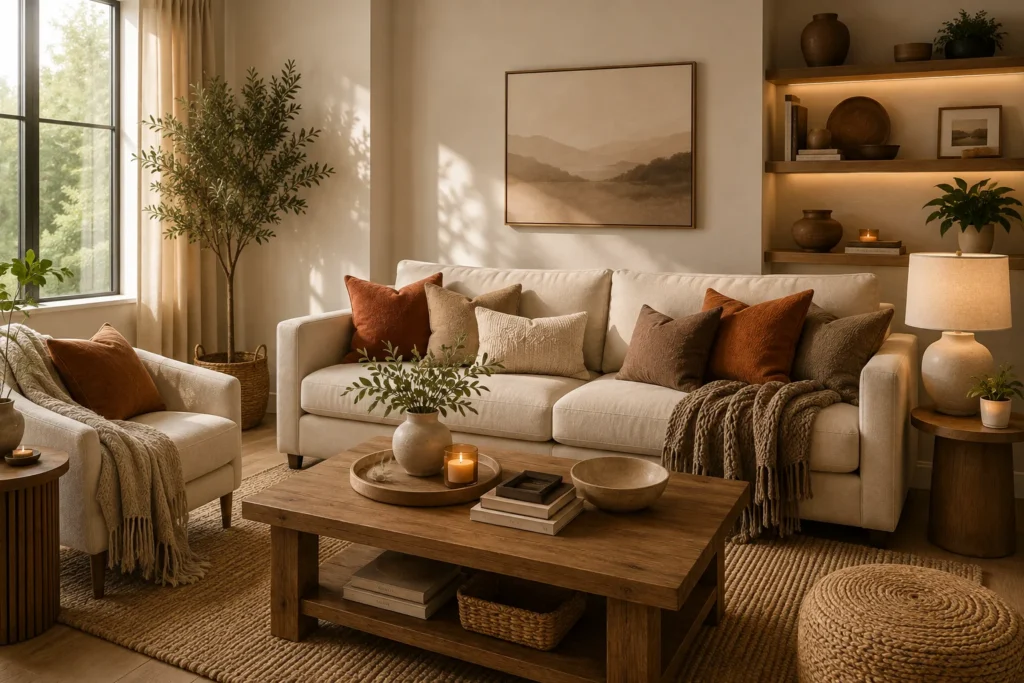
Warm neutrals are the backbone of most cozy living room ideas because they create a calm base without feeling sterile. Instead of stark white walls, look at warm white, oatmeal, or soft greige tones. Pair them with camel, rust, or chocolate brown accents through pillows or a throw. Wood tones automatically warm up a neutral room, so let your coffee table or shelving do some of that work. Practical tip: test paint swatches at different times of day, since warm neutrals can shift dramatically under morning versus evening light.
2. Layer Throw Blankets With Purpose
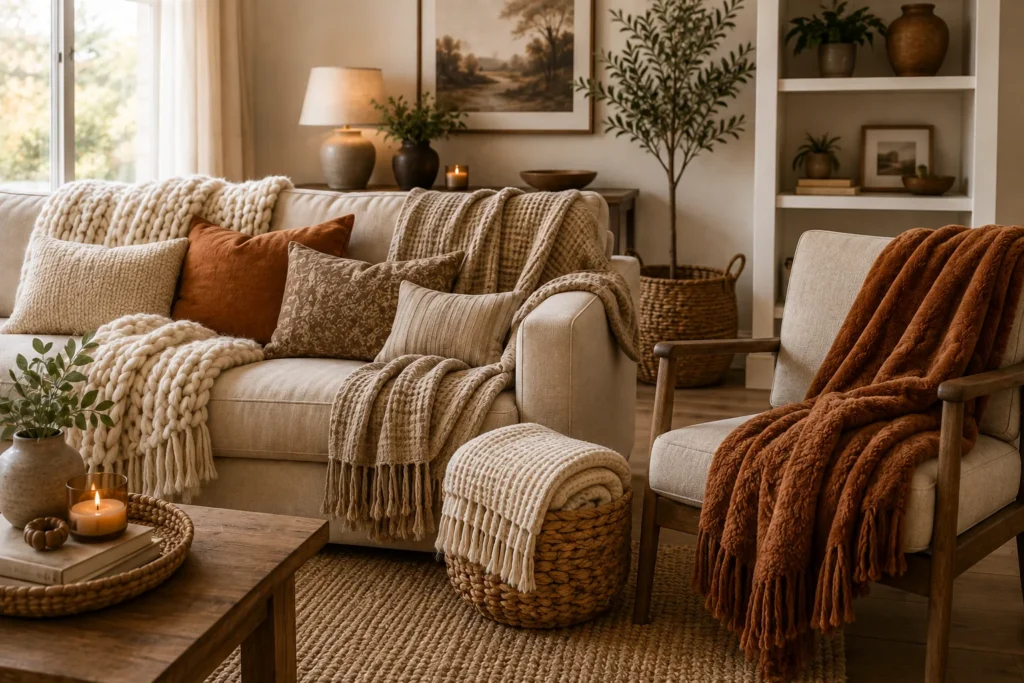
A single folded blanket on the arm of a sofa looks intentional, but two or three layered blankets in different textures — chunky knit, waffle weave, faux fur — instantly make a room feel more inviting. Drape one over the back of the sofa, fold another in a basket nearby, and toss a third over an accent chair. Stick to a cohesive color story like cream, oatmeal, and rust so the layers feel curated rather than random. Practical tip: wash and rotate blankets seasonally so they always look fresh instead of flattened.
3. Mix Pillow Sizes and Textures
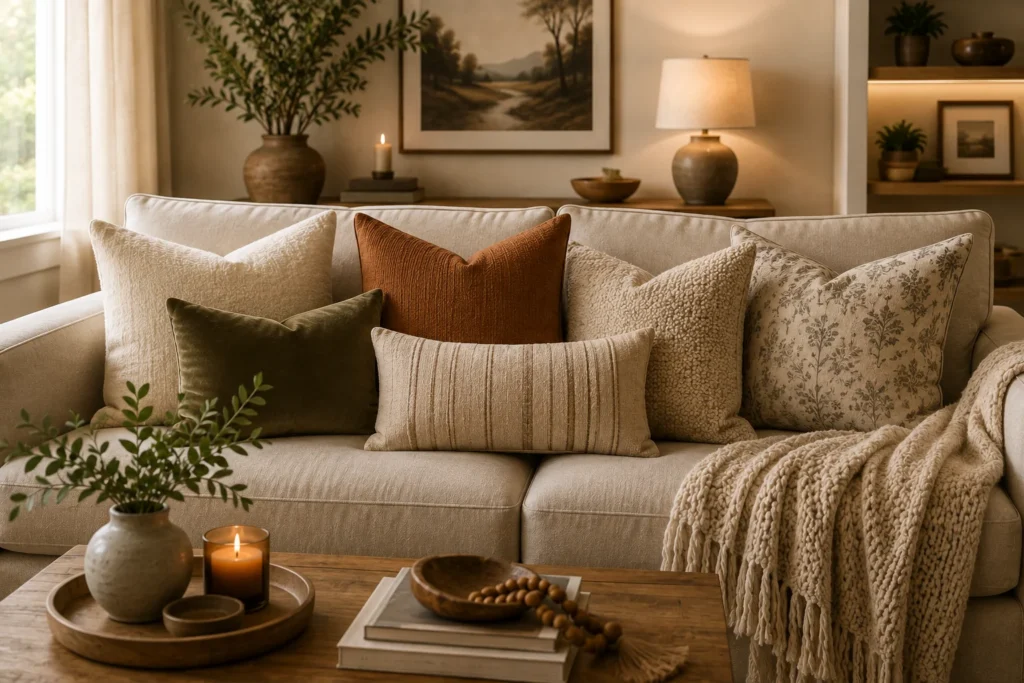
Matching pillow sets can actually make a sofa look stiff. For a warmer feel, mix a large 22-inch pillow with a smaller lumbar pillow and one textured option like bouclé or linen. Odd numbers, usually three or five, tend to look more natural than pairs. Choose a mix of solid colors and one subtle pattern rather than several competing prints. Practical tip: bring in one unexpected texture, like velvet, to add a little richness against flatter cotton or linen pillows.
4. Choose a Rug That Anchors the Room
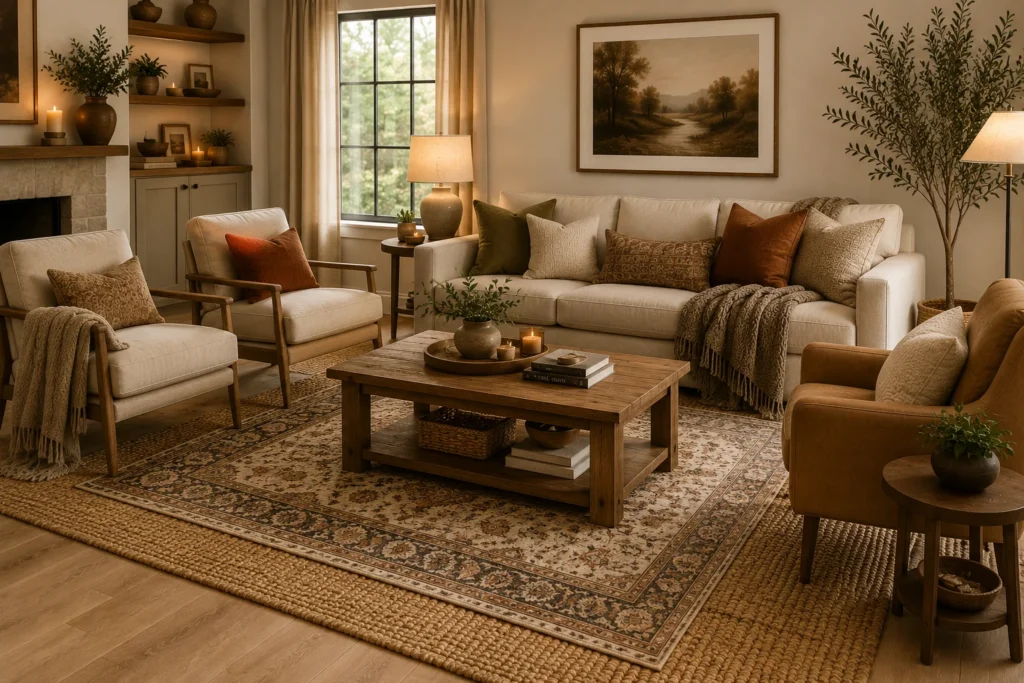
A rug that’s too small is one of the fastest ways to make a living room feel disconnected instead of cozy. Ideally, front legs of your sofa and chairs should rest on the rug so the seating area feels grounded. Warm-toned rugs in wool, jute, or a soft blend add both color and texture underfoot. Layering a smaller patterned rug over a larger jute one is a popular trick for adding depth in a cozy living room without overwhelming the space. Practical tip: go up a size if you’re unsure — a slightly larger rug almost always looks better than one that’s too small.
5. Swap Harsh Overhead Light for Warm Ambient Lighting
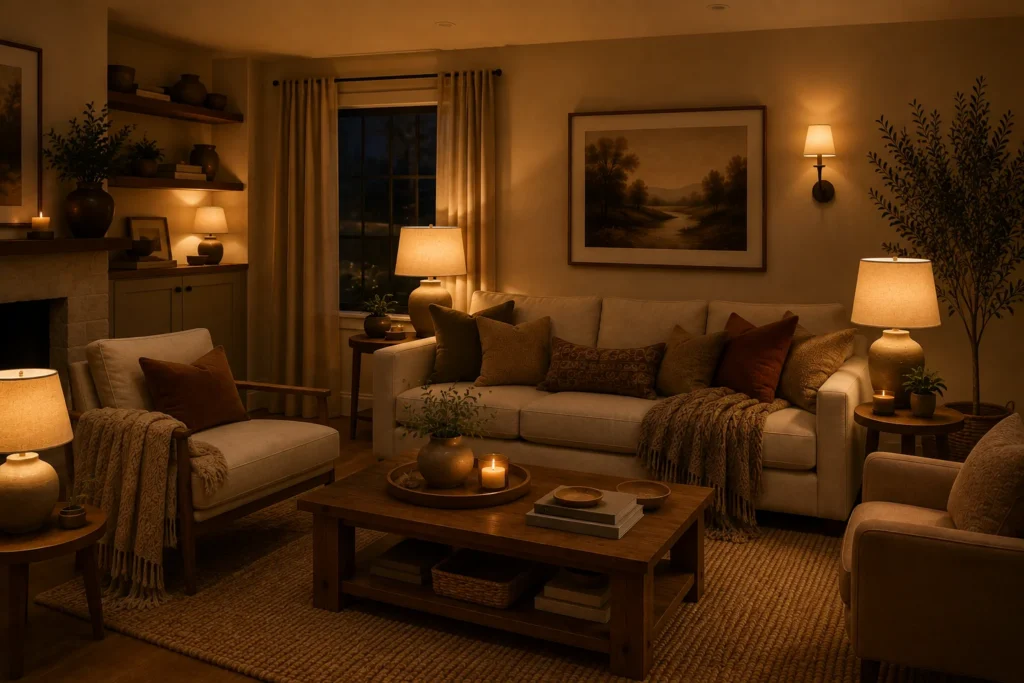
Overhead lighting alone tends to flatten a room and make it feel more like an office than a retreat. Warm ambient lighting from lamps, sconces, or dimmable fixtures softens the whole space. Look for bulbs in the 2700K to 3000K range, since these give off a warm amber glow rather than a cool white one. Turning on two or three smaller light sources in the evening instead of one bright overhead light instantly shifts the mood. Practical tip: install a simple dimmer switch if your overhead light is your only option.
6. Add a Floor Lamp Beside Your Reading Chair
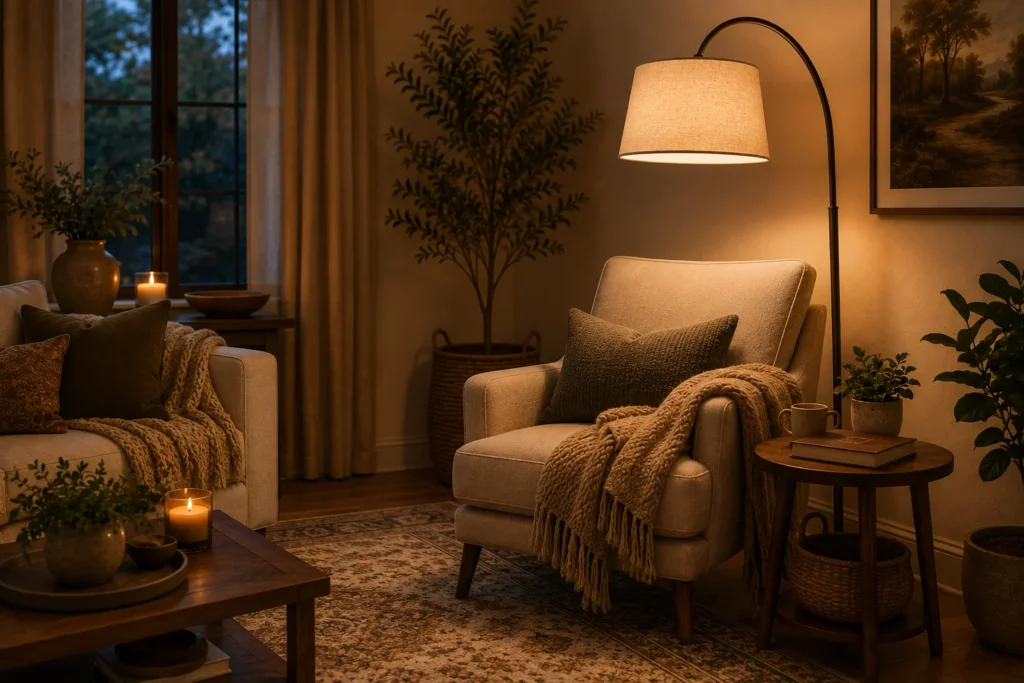
A floor lamp does double duty: it provides task lighting for reading and adds warmth to a corner that might otherwise feel forgotten. Arc floor lamps work well positioned over an accent chair, while a simple tripod lamp suits a more relaxed, natural look. Choose a warm fabric or paper shade over a cold metal one if you want extra glow. Practical tip: position the lamp slightly behind your shoulder when seated so light falls on your book or lap without creating glare.
7. Bring In Natural Wood Furniture
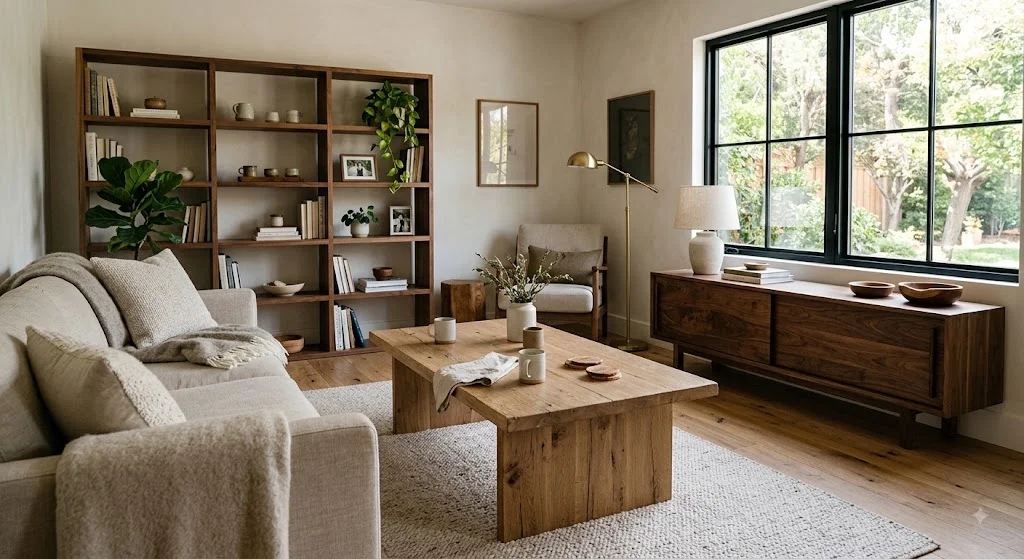
Natural wood grounds a room in a way that painted or laminate furniture often can’t. A wood coffee table, media console, or set of open shelves adds warmth through color and texture alone. Mixing wood tones is fine as long as they share similar undertones — pairing a warm oak table with a cooler gray-toned shelf can look disjointed. Practical tip: if your existing furniture feels too cold or shiny, a warm wood tray or side table can soften the look without replacing anything.
8. Invest in One Genuinely Comfortable Sofa
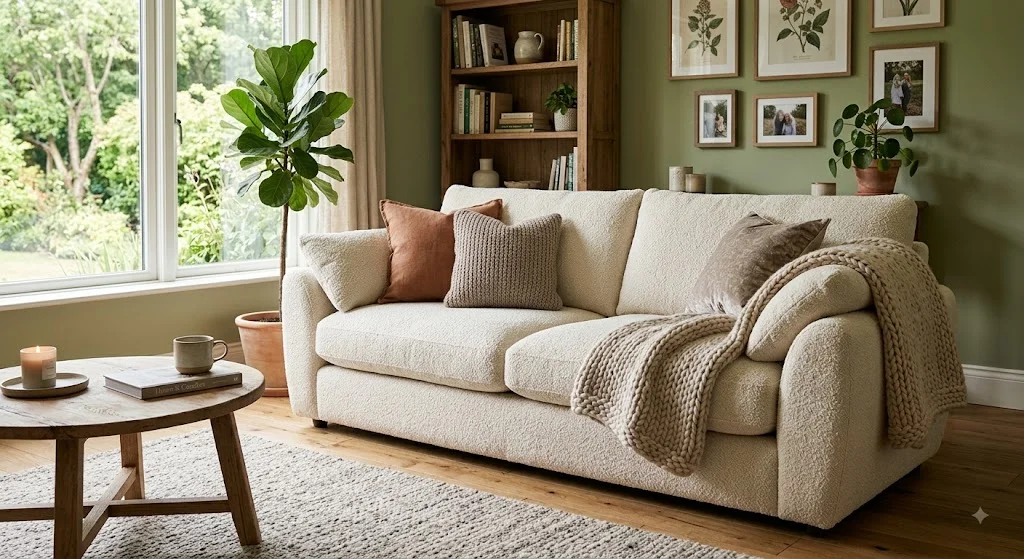
A cozy living room needs at least one piece ofdd furniture people actually want to sink into. Deep seats, soft upholstery like boucle or chenille, and rounded arms all contribute to a more relaxed, huggable shape. If a full sofa replacement isn’t in the budget, a slipcover in a warmer fabric can change the feel significantly. Practical tip: sit on any sofa for at least ten minutes before buying it — comfort is hard to judge from a quick perch.
9. Add an Accent Chair With Personality
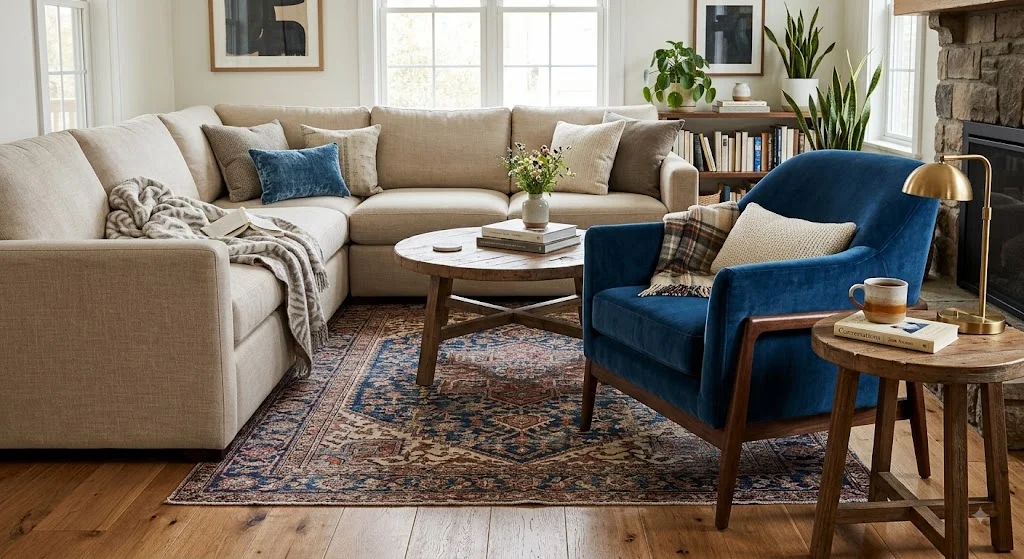
An accent chair gives you a chance to introduce color, pattern, or texture without committing to it on a larger piece of furniture. A curved boucle chair, a rattan swivel chair, or a deep-toned velvet armchair can all work depending on your style. Position it at an angle facing the sofa to create a natural conversation area rather than a straight line of seating. Practical tip: choose a chair with some visual weight, like a wood frame or wide arms, so it doesn’t feel flimsy next to a larger sofa.
10. Hang Curtains That Puddle Slightly
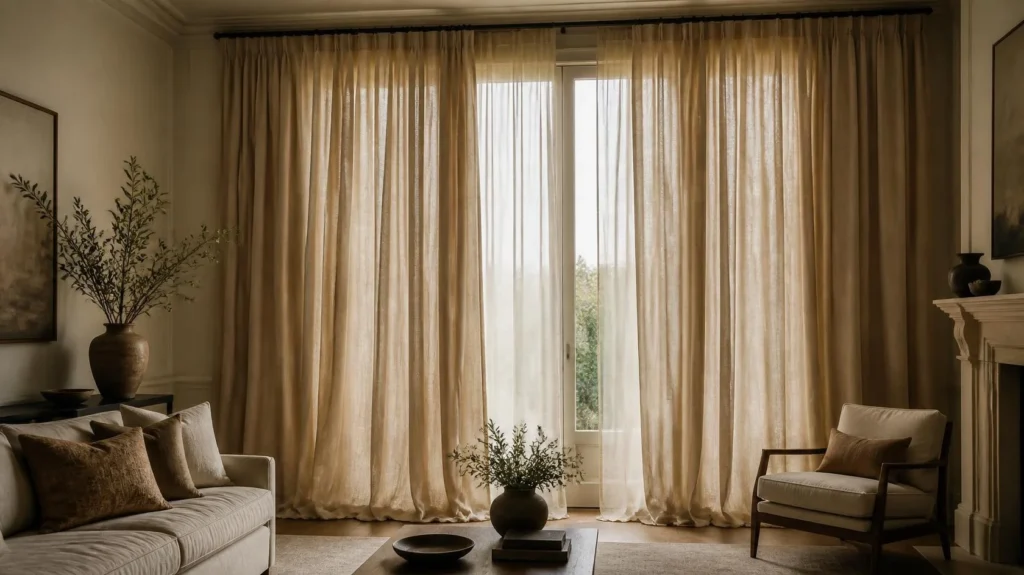
Curtains that stop short or hang too tight can make a room feel unfinished. For a softer, cozier look, hang curtain rods close to the ceiling and let the fabric fall just past the floor, almost pooling slightly. Linen or cotton curtains in warm, muted colors filter light beautifully during the day and add softness at night. Practical tip: use curtains even over blinds, since fabric absorbs sound and adds warmth that hard surfaces can’t.
11. Style Your Coffee Table in Layers
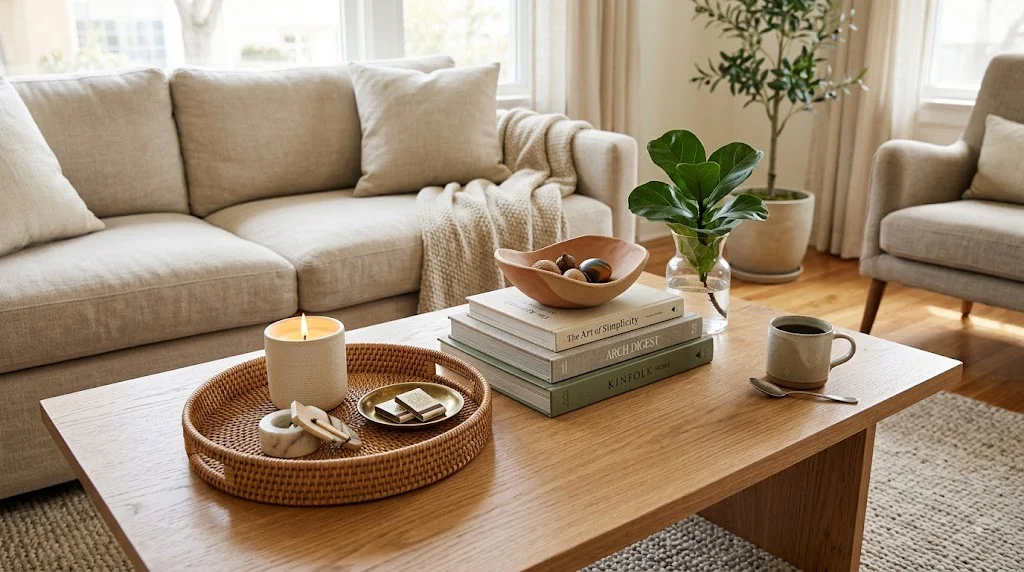
A coffee table styled with intention looks far more inviting than one that’s either bare or cluttered. Try a low tray to anchor smaller items, a stack of two or three books, a small plant or vase, and one personal object like a ceramic bowl or candle. Vary the heights so your eye has somewhere to travel. Practical tip: always leave a little open space on the table for setting down a coffee cup — styling shouldn’t come at the cost of function.
12. Style Your Fireplace, Real or Faux
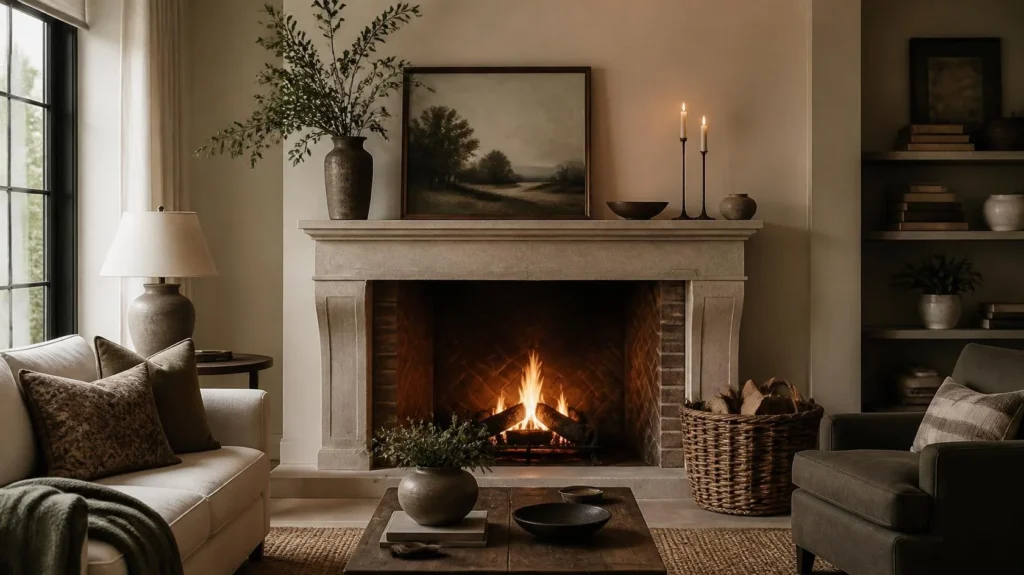
A fireplace is a natural focal point, and styling it well can make the whole room feel warmer even when it’s not lit. Flank it with tall candles, a stack of firewood in a basket, or a piece of art leaning against the mantel rather than hung stiffly. If you don’t have a working fireplace, an electric insert or a simple candle cluster inside an empty firebox can mimic the same glow. Practical tip: keep mantel decor asymmetrical — a tall item on one side balanced by two or three shorter items on the other feels more relaxed than a perfectly matched pair.
13. Add Indoor Plants for Life and Texture
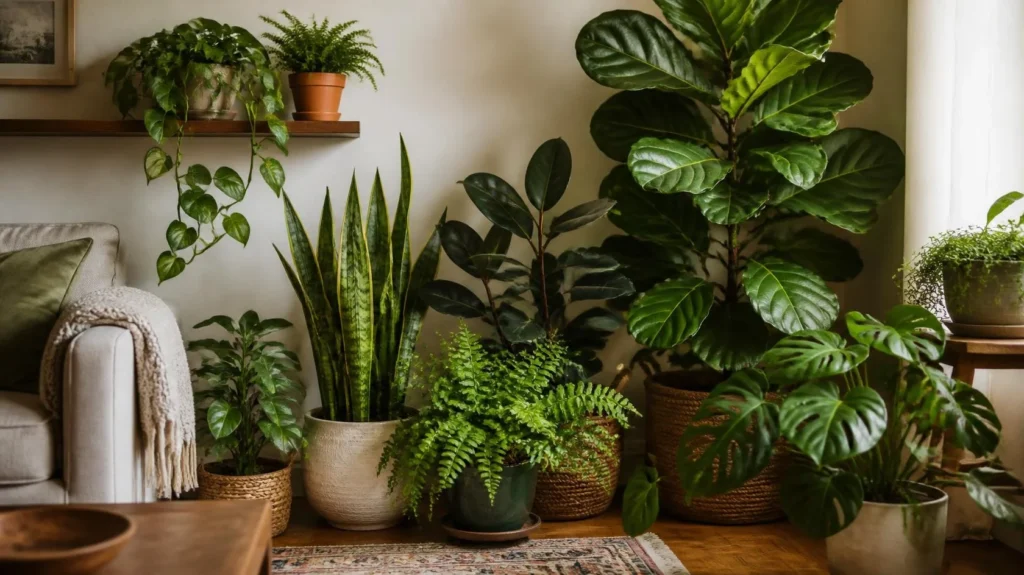
Plants bring color, texture, and a sense of life that furniture alone can’t provide. A tall fiddle leaf fig or snake plant fills an empty corner, while smaller pothos or trailing plants soften a shelf or mantel. If you don’t have a reliable green thumb, high-quality faux plants have come a long way and can still add that same organic texture. Practical tip: group plants of different heights together rather than scattering single plants around the room for a more intentional look.
14. Layer in Natural Textures Beyond Fabric
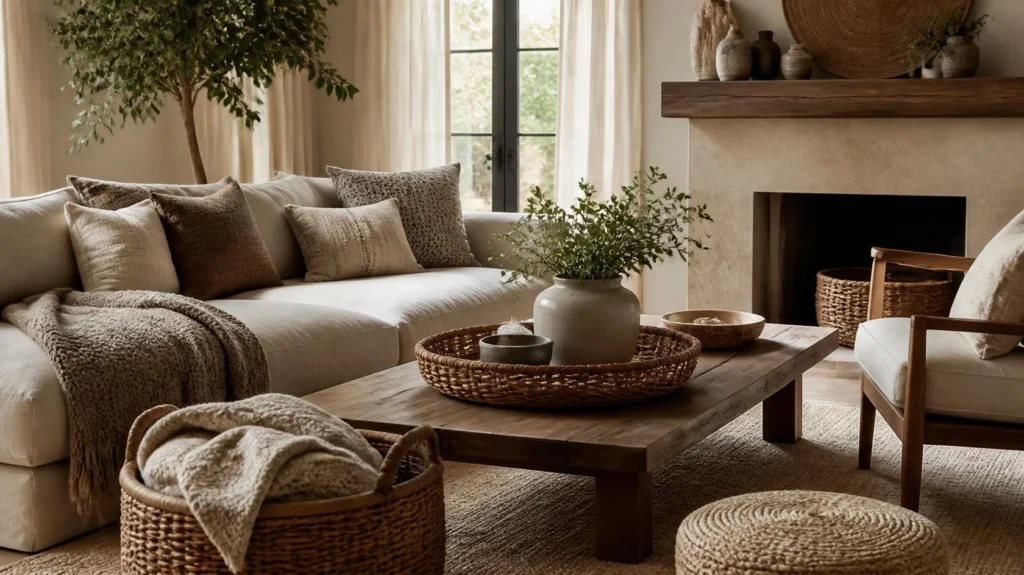
Coziness isn’t only about soft textiles — natural textures like woven baskets, rattan trays, stoneware vases, and linen curtains all add tactile interest. These materials tend to feel warmer and more organic than glass, chrome, or high-gloss surfaces. Try replacing one hard, shiny object in your room with something woven or matte, like swapping a plastic storage bin for a woven basket. Practical tip: baskets aren’t just decorative — use them to corral blankets, magazines, or remote controls so the room stays tidy and warm at the same time.
15. Create a Low-Key Gallery Wall

A gallery wall adds personality and visual warmth, but it doesn’t need to be perfectly symmetrical to work. Mix a few framed prints, a mirror, and one or two personal photos in complementary frame finishes, like warm wood and brushed brass. Lay the pieces out on the floor first to find an arrangement you like before committing to nail holes. Practical tip: leave two to three inches between frames so the wall feels layered rather than cramped.
16. Display Photos and Meaningful Objects
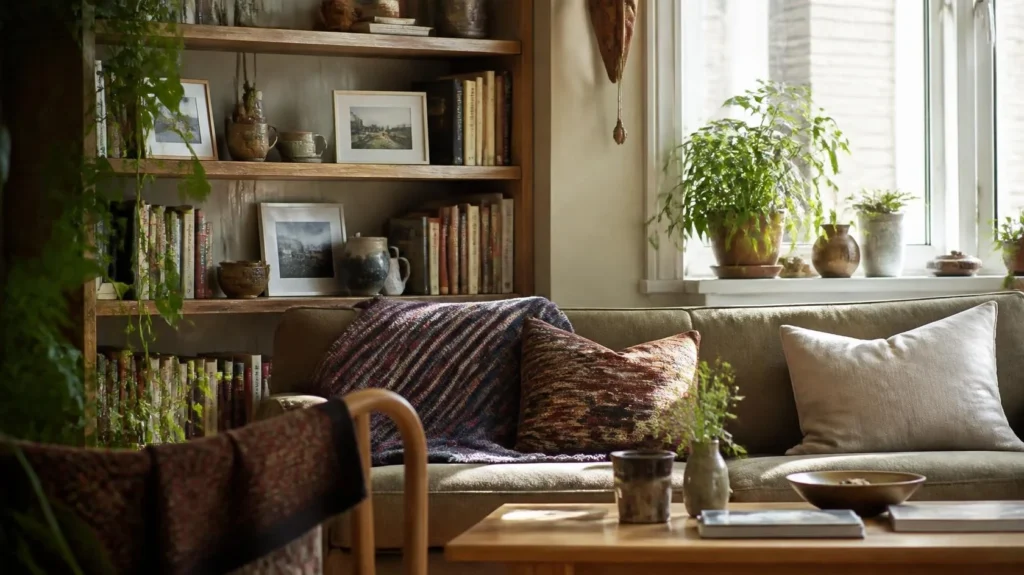
Nothing makes a living room feel more like home than objects that actually mean something to you. A framed photo from a trip, a handmade ceramic piece, or a small memento on a shelf tells a story that mass-produced decor can’t. These items don’t need their own display case — tuck them among books or plants so they feel woven into the room rather than showcased separately. Practical tip: rotate a few personal items seasonally so the room feels refreshed without buying anything new.
17. Stack Books as Both Decor and Comfort
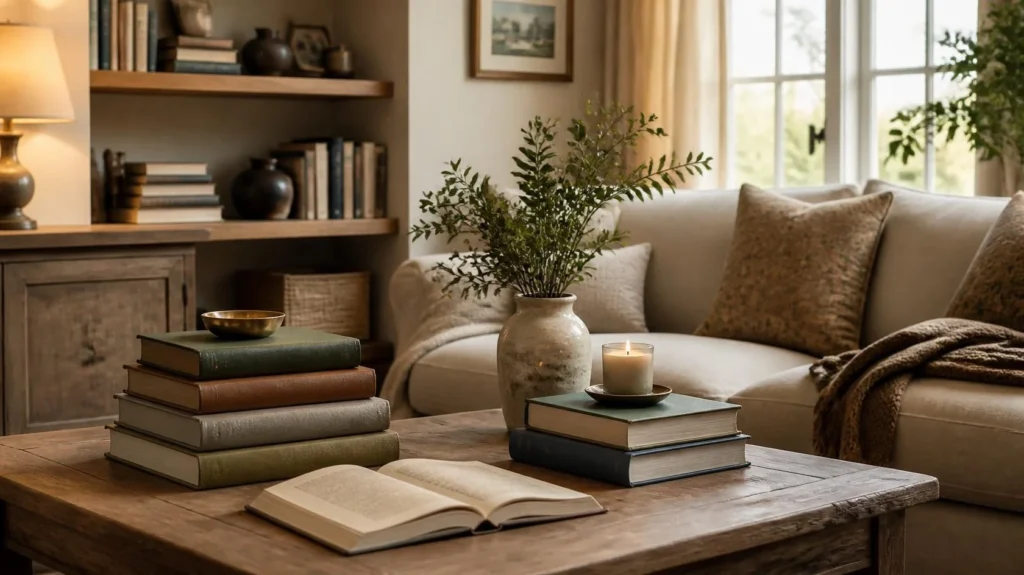
A stack of books does more than fill space — it signals a room that’s actually used and enjoyed. Group three or four books by size on a coffee table or shelf, and top the stack with a small object like a candle or a small dish. Mixing in one open book, spine-down, adds a casual, unstaged feel. Practical tip: choose book covers in tones that complement your color palette if you want the stack to blend rather than stand out.
18. Scale Furniture Down for Small Spaces
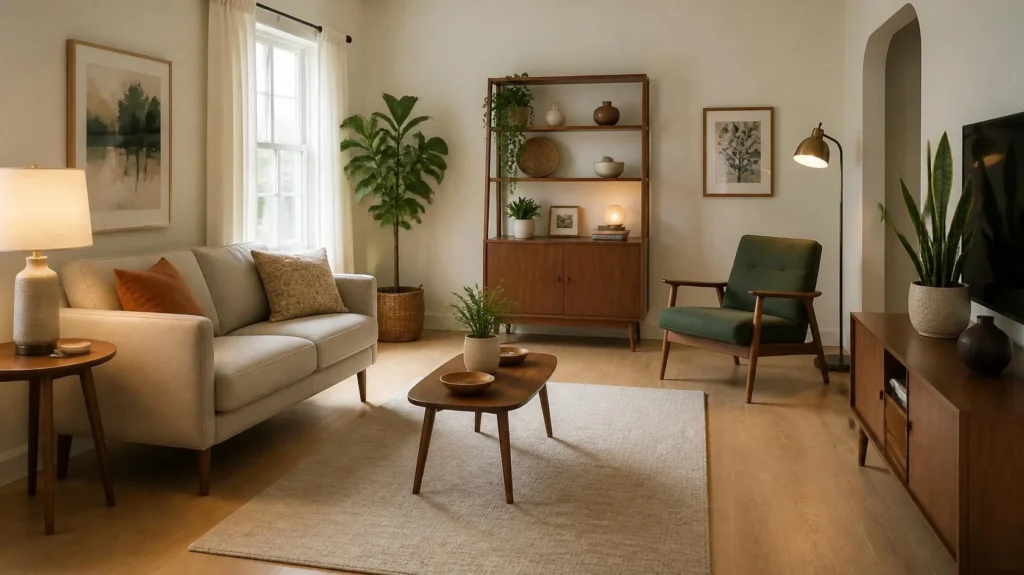
In a small cozy living room, oversized furniture can eat up the walking space that makes a room feel comfortable. Choose a sofa with slimmer arms, a smaller coffee table, or a loveseat instead of a full three-seat sofa if space is tight. Leave at least two feet of clear walking path between major pieces so the room doesn’t feel like an obstacle course. Practical tip: furniture with visible legs, rather than pieces that sit flush to the floor, makes a small room feel more open.
19. Try a Minimalist Approach to Coziness
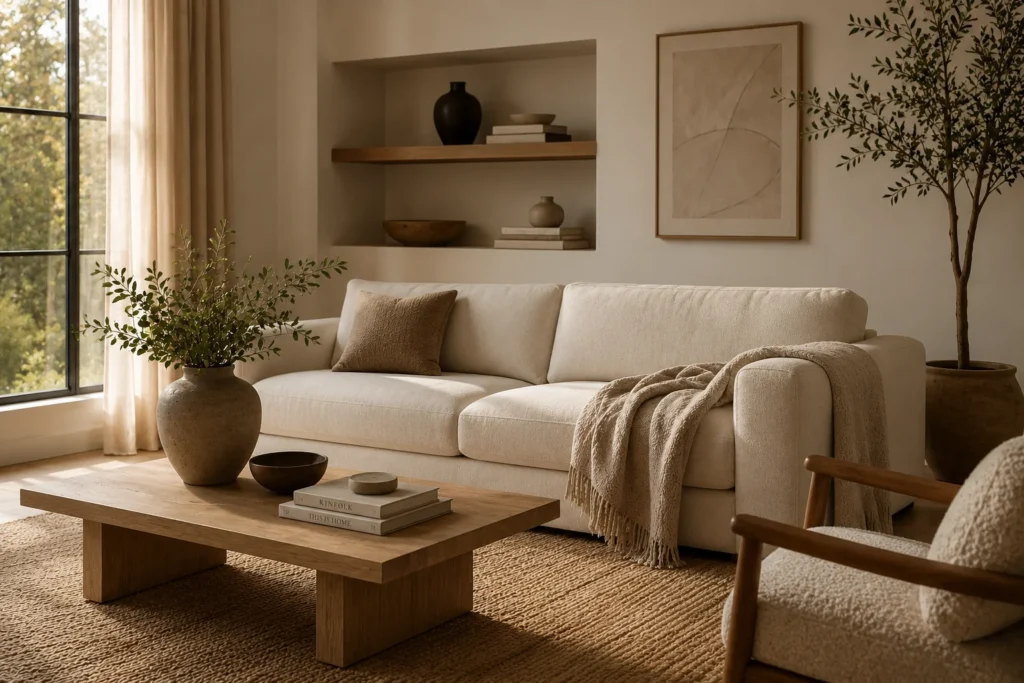
Coziness and minimalism aren’t opposites — a pared-back room can still feel warm if you choose a few high-quality, textural pieces instead of many small ones. Focus on one excellent throw, one textured rug, and a handful of well-chosen objects rather than filling every shelf. This works especially well for a neutral cozy living room where warmth comes from material and light rather than pattern or color. Practical tip: give yourself a “one in, one out” rule when adding new decor so the space stays calm.
20. Add Boho-Inspired Warmth
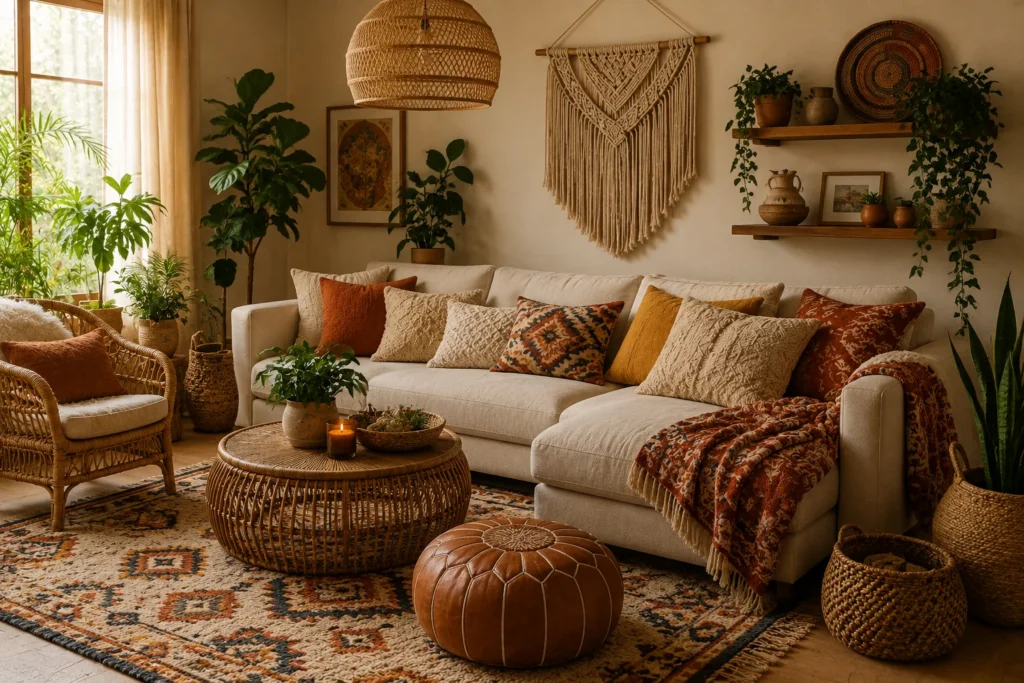
A boho-inspired cozy living room leans into natural fibers, layered patterns, and a slightly relaxed, collected-over-time feel. Think rattan furniture, macrame wall hangings, a Moroccan-style pouf, and patterned textiles in warm terracotta or mustard tones. Mix in plants and woven baskets for extra texture. Practical tip: choose one or two patterns as your anchor and repeat their colors elsewhere in the room so the boho look feels intentional rather than chaotic.
21. Decorate on a Budget With What You Have
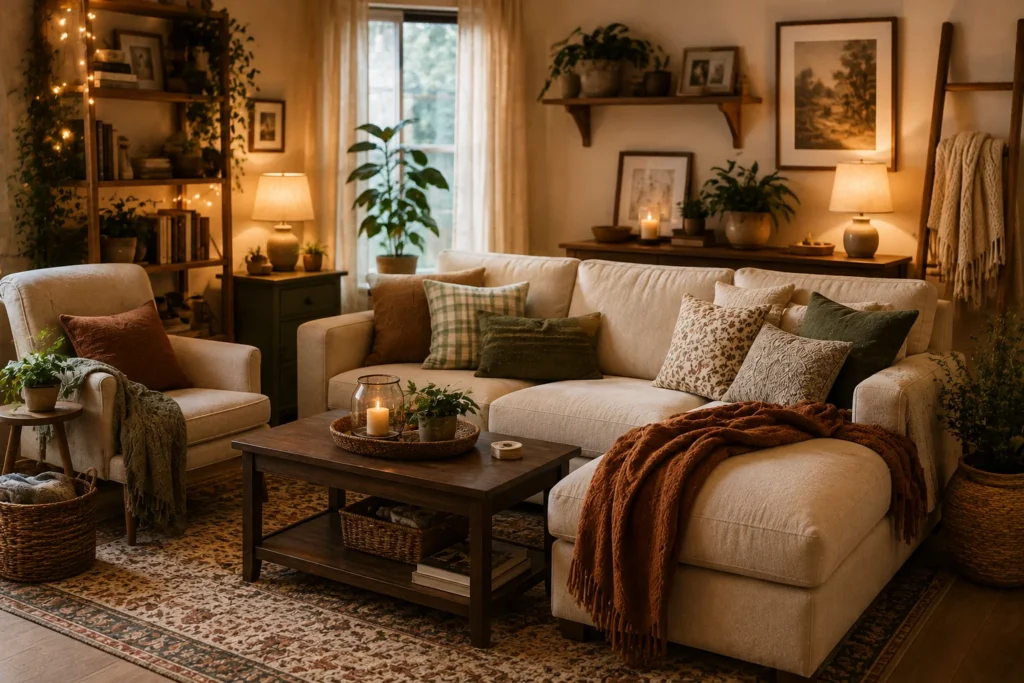
You don’t need a shopping spree to make a room feel cozier. Start by rearranging existing furniture to create a better conversation area, then add texture through blankets or pillows you already own. Secondhand shops and marketplace listings are great sources for affordable throws, lamps, and side tables. A can of warm-toned paint on an old side table or frame can transform it without any new purchases. Practical tip: shop your own house first — items from a bedroom or dining room sometimes work better in the living room than you’d expect.
22. Add Small Seasonal Touches
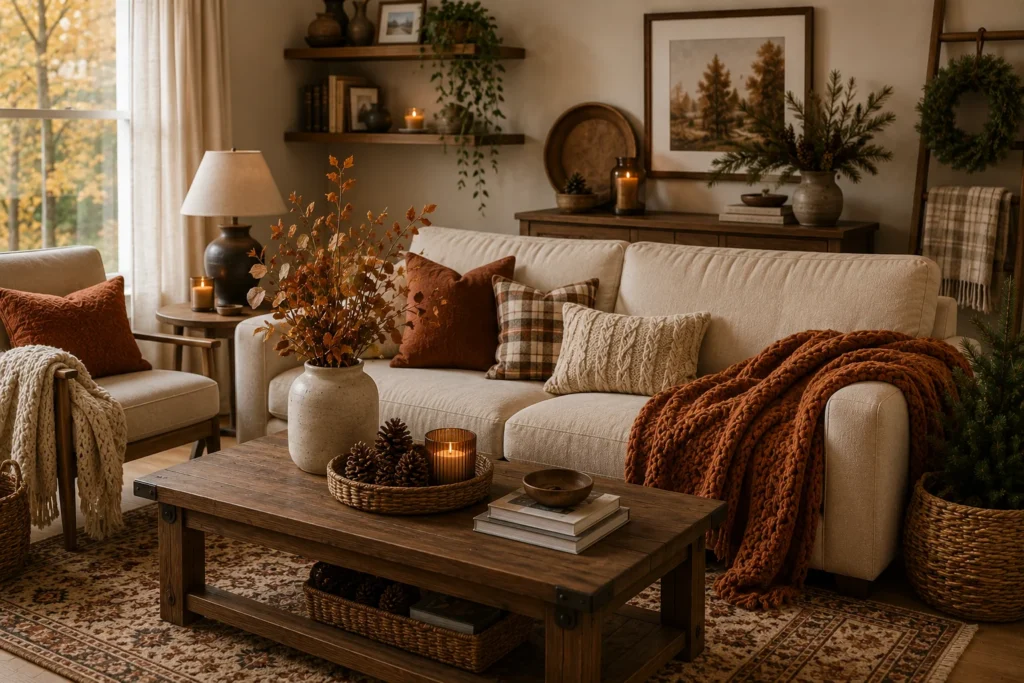
Small seasonal changes keep a living room feeling warm and current without a full redecorating project. In cooler months, swap in a chunkier throw, add a few pinecones or dried branches to a vase, and lean into deeper colors through a single pillow swap. In warmer months, lighten things up with linen textures and fresh greenery. Practical tip: store a small rotating box of seasonal accents so you can refresh the room in under twenty minutes.
23. Layer Your Lighting in Three Levels
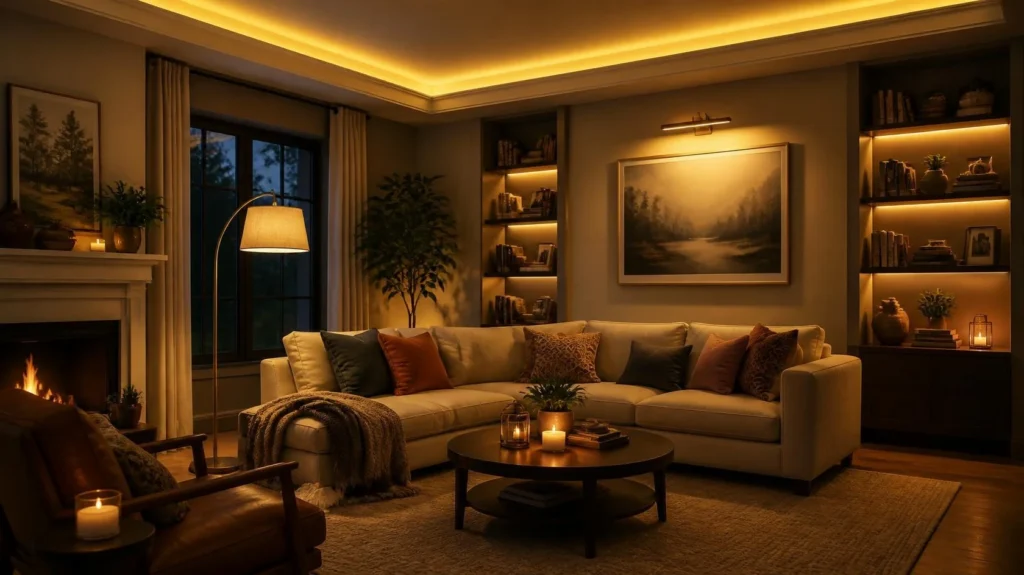
A well-lit cozy room usually has three layers: ambient light for overall glow, task lighting for reading or activities, and accent lighting to highlight a specific spot like a shelf or piece of art. Combining an overhead fixture with a floor lamp and a small accent light, like a picture light or LED strip, creates depth that a single light source can’t achieve. Practical tip: turn off the overhead light entirely in the evening and rely only on lamps and candles to see how much warmer the room feels.
24. Arrange Furniture for Conversation, Not Just a TV View
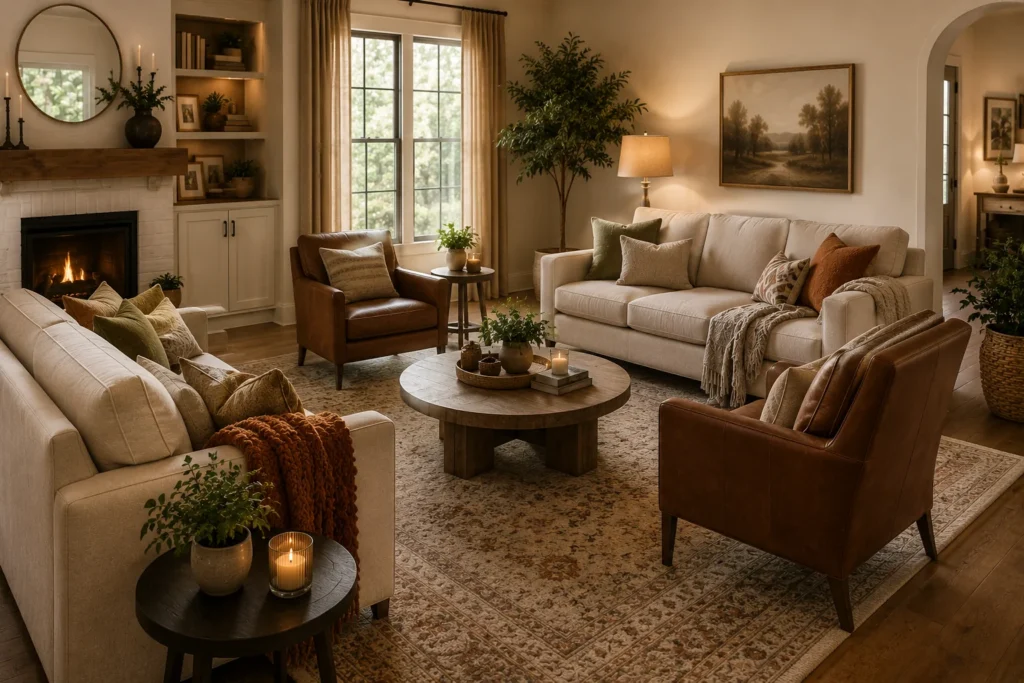
Furniture arranged only to face a television can make a living room feel more like a screening room than a place to gather. Angling a chair toward the sofa, or floating furniture away from the walls to create a central seating cluster, encourages conversation and makes the room feel more social. Leave enough space between pieces for people to move comfortably. Practical tip: use a rug to define the seating area, keeping all the main furniture pieces within its edges.
25. Add the Small Finishing Touches That Make a Room Feel Lived-In
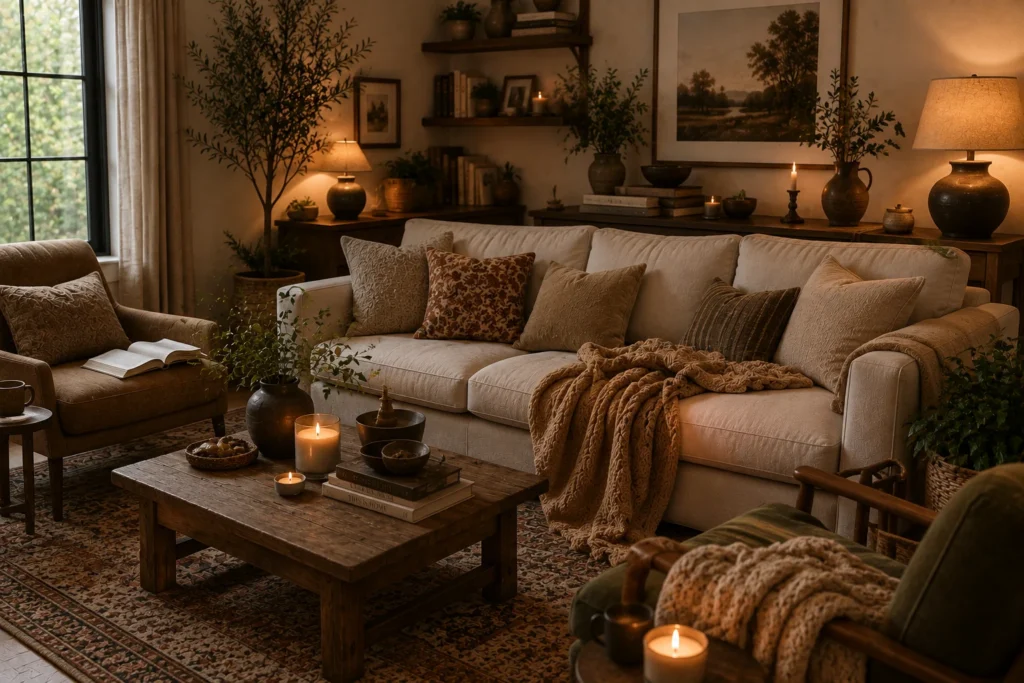
The last ten percent of styling is often what separates a “decorated” room from a truly cozy one. A slightly rumpled throw instead of a perfectly folded one, a candle burned partway down, a book left open on the arm of a chair — these small imperfections signal a room that’s actually used. Resist the urge to make everything look showroom-perfect. Practical tip: after you finish styling, walk away for ten minutes and come back to soften anything that looks too stiff or staged.
Cozy Living Room Color Ideas
Color plays a huge role in how warm a room feels, even before you add a single throw pillow. Cream and warm white create a soft, airy base, while taupe and soft brown add depth without darkening the room too much. Terracotta and muted caramel bring in warmth through accent walls, pillows, or ceramics, and olive green pairs beautifully with wood tones for a slightly earthy, grounded feel. Warm gray is a good middle ground if you want a neutral that still leans cozy rather than cold. To combine these without visual heaviness, stick to two or three main tones and use the darkest one sparingly, through smaller accents rather than large surfaces like walls or sofas.
Cozy Living Room Lighting Tips
Relying on a single overhead light is one of the most common reasons a living room feels cold rather than cozy. Instead, layer in table lamps near seating areas, a floor lamp in a reading corner, and wall sconces if you have the wiring for them. Choose warm bulbs, generally labeled 2700K to 3000K, over cool white or daylight bulbs. Candles are an easy, affordable way to add flickering, warm light in the evening, and accent lighting — like a small lamp highlighting a shelf — adds dimension. The goal is layered lighting: several smaller, warmer sources working together instead of one bright, flat one.
How to Make a Small Living Room Feel Cozy Without Feeling Cramped
Small spaces can absolutely feel like a small cozy living room instead of a cramped one, but scale matters. Choose furniture sized appropriately for the room rather than oversized statement pieces, and keep walking paths clear so the space feels open. Multifunctional furniture, like a storage ottoman or a console with drawers, reduces clutter without sacrificing function. Mirrors placed opposite a window can visually double the light in the room. Light, warm wall colors help too, along with vertical storage like tall shelving that draws the eye upward instead of outward. Choose one well-sized rug rather than several small ones, and let curtains hang close to the ceiling to add height. Most importantly, resist adding too many small accessories, since clutter reads as cramped even in a technically spacious room.
How to Make a Living Room Look Cozy on a Budget
A cozy living room doesn’t require an expensive shopping list. Start by rearranging your current furniture into a better layout — this alone can transform how a room feels for free. Add inexpensive textiles like a throw blanket or a few pillow covers, which cost far less than reupholstering. Thrifted decor and secondhand furniture, refreshed with a coat of paint or a new cushion, often look just as good as new pieces. DIY artwork, even something as simple as a framed fabric swatch or a pressed leaf, adds personality without cost. Bring in a plant, restyle your existing books and objects, and change out a lamp bulb for a warmer tone. Small, low-cost changes add up to a noticeably warmer living room decor over time.
Common Cozy Living Room Decorating Mistakes
One common mistake is buying an entire matching furniture set, which can make a room feel more like a showroom display than a home — mix in at least one different piece for contrast. Another is scattering too many tiny accessories, which creates visual clutter instead of warmth; edit down to fewer, more meaningful objects. Poor lighting, especially relying only on an overhead fixture, flattens the whole room, so add lamps or candles instead. Pushing every piece of furniture against the walls can leave the center of the room feeling empty; float pieces slightly and create a defined seating area. A rug that’s too small disconnects the furniture, so size up when in doubt. Using too many competing colors can overwhelm a space, so anchor the room in two or three main tones. Finally, a total lack of texture, from flat paint to smooth furniture, can leave a room feeling one-dimensional — layer in textiles, wood, and natural materials to fix it.
Cozy Living Room Styling Formula
If you want a simple way to remember what makes a room feel cozy, use this formula: comfortable seating, plus varied texture, plus warm layered lighting, plus natural materials, plus personal details, equals a genuinely inviting living room. You don’t need all five elements maxed out at once — even improving two or three can shift the whole feel of the space. Start with lighting and texture if you’re short on time or budget, since both are relatively inexpensive to change and have an outsized impact on how warm a room feels.
Frequently Asked Questions
How can I make my living room look cozy? Focus on layering: add soft textiles like throws and pillows, swap harsh overhead lighting for warm lamps, and bring in natural materials like wood or woven baskets. Personal touches, like photos or books, help too. You don’t need to change everything at once — even one or two updates can noticeably warm up the room.
What colors make a living room feel warm? Warm neutrals like cream, taupe, and soft brown create a cozy base, while accent colors like terracotta, muted caramel, and olive green add depth. Warm gray can also work well if you want a neutral tone that still feels inviting rather than cold or clinical.
How can I make a small living room cozy? Choose appropriately scaled furniture, keep walking paths clear, and use multifunctional pieces like storage ottomans. Mirrors and light, warm colors help the room feel more open, while one well-sized rug and vertical shelving add both function and warmth without crowding the space.
What type of lighting is best for a cozy living room? Warm-toned bulbs, generally in the 2700K to 3000K range, paired with multiple light sources like table lamps, floor lamps, and candles create the most inviting glow. Avoid relying solely on a bright overhead fixture, which tends to flatten the room’s atmosphere.
How can I make my living room cozy on a budget? Rearrange your existing furniture, add inexpensive textiles, and shop secondhand for lamps or side tables. DIY artwork, thrifted decor, and restyling items you already own can make a noticeable difference without a large financial investment.
How many pillows and blankets should I use? For most sofas, three to five pillows in varied sizes and one or two textures looks balanced without feeling excessive. One or two throw blankets, layered rather than perfectly folded, usually strikes the right note between cozy and cluttered.
Conclusion
A cozy living room really comes down to a few consistent principles: comfort, texture, warm lighting, and personality layered together thoughtfully. None of it requires an expensive furniture haul or a full renovation. Whether you’re working with a rental apartment, a tight budget, or a room that’s felt a little flat for years, small changes like a new lamp, a layered rug, or a stack of books styled with intention can shift the whole feel of the space. If this list feels like a lot, start small. Pick one or two cozy living room ideas that speak to you, try them this weekend, and build from there.