
25 Home Organization Ideas for a Clutter-Free Home
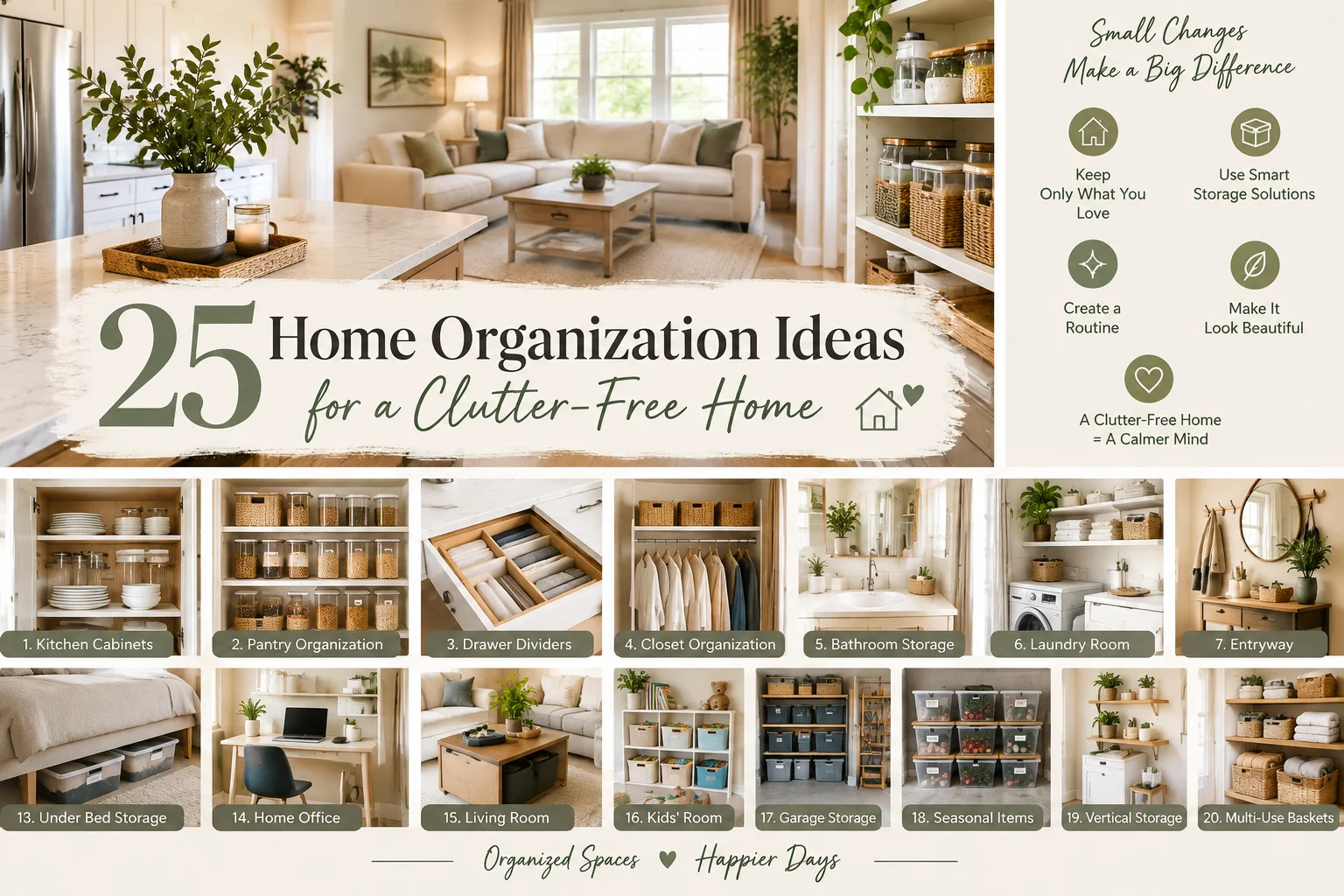
If you’ve ever stood in the middle of a messy room wondering where to even start, you’re not alone. Clutter has a way of creeping into our homes quietly — a stack of mail here, a pile of laundry there — until suddenly every surface feels overwhelming. The good news is that a clutter-free home isn’t about perfection or expensive renovations. It’s about creating simple systems that make it easy to keep things in order, day after day.
In this guide, you’ll find 25 practical home organization ideas that work for real homes and real schedules. From the entryway to the closet to the kitchen junk drawer, these tips will help you organize your home in a way that’s both functional and pleasant to look at — so tidying up feels a little less like a chore and a little more like second nature.
1. Create a Drop Zone by the Entryway
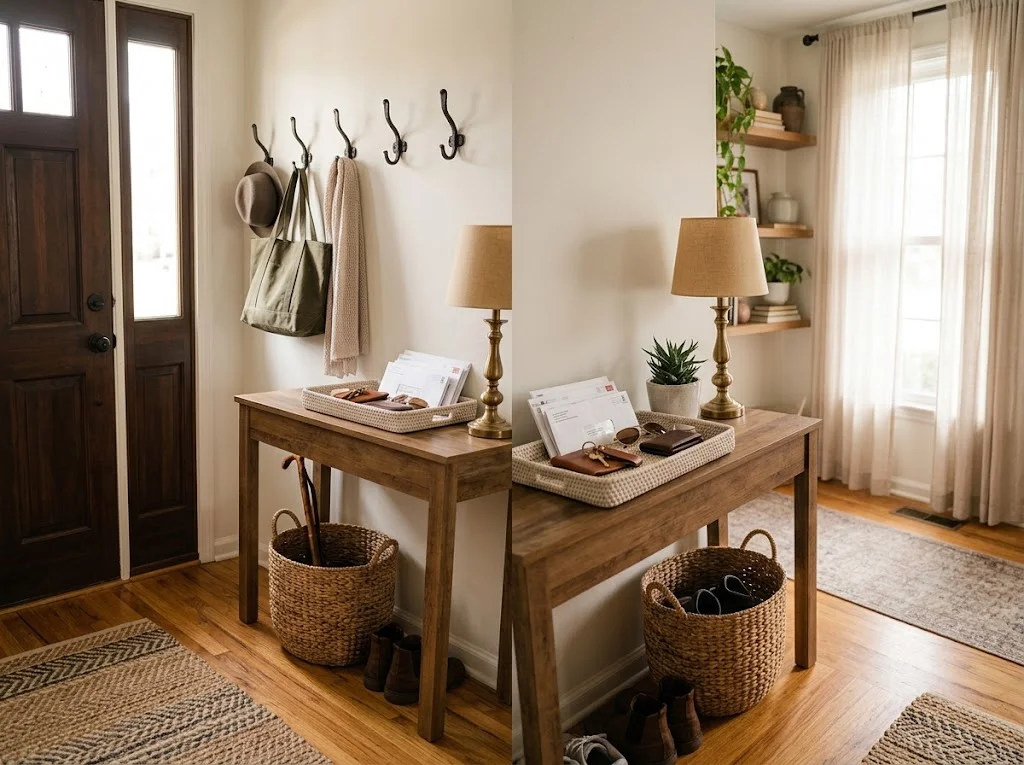
Your entryway sets the tone for your whole home, so it’s the perfect place to stop clutter before it spreads further inside. A drop zone is a designated spot for keys, mail, sunglasses, and bags the moment you walk through the door. This works well near the front door, in a mudroom, or even in a small hallway. Add a small console table, a shallow tray, and a wall hook or two. This idea helps control the daily buildup of loose items that otherwise end up scattered around the house. To keep it working long-term, limit the drop zone to just a few categories of items, so it never turns into a catch-all pile itself.
2. Use Baskets for Everyday Clutter
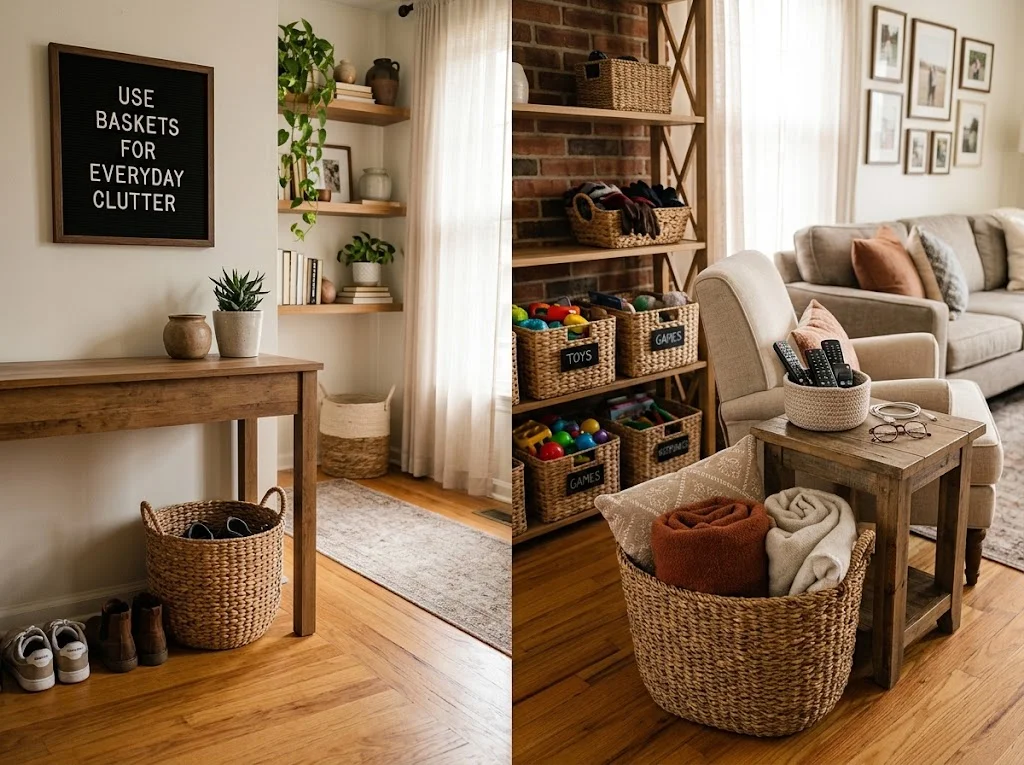
Baskets are one of the easiest and most attractive home organization ideas because they hide mess while still looking intentional. They work almost anywhere — living rooms, bedrooms, bathrooms, or hallways. Use a large woven basket for blankets, a smaller one for remote controls and chargers, or a stack of baskets on open shelving for toys and miscellaneous items. Baskets are especially helpful for soft clutter that doesn’t have an obvious home, like scarves or extra pillows. To maintain the system, assign each basket a specific purpose and resist the urge to toss random items in just because there’s space.
3. Organize Kitchen Cabinets by Category
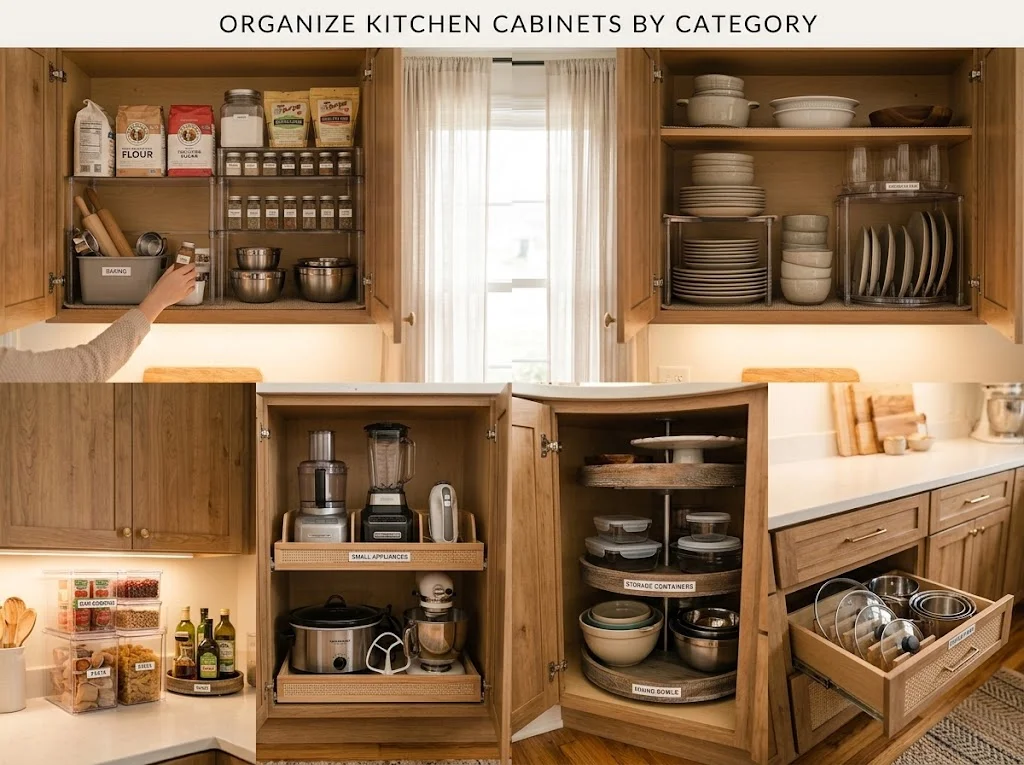
Kitchen organization becomes far easier once everything is grouped by category instead of scattered based on whatever fits. Dedicate one cabinet to baking supplies, another to everyday dishes, and another to small appliances. This is especially useful in kitchens where cabinet space is limited, since grouping items helps you see what you actually own. Use stackable shelves or turntables to make the most of vertical space inside each cabinet. This approach reduces the frustration of digging through cabinets to find one item. Keep it organized by returning items to their designated zone right after cooking, not just after cleanup.
4. Add Drawer Dividers
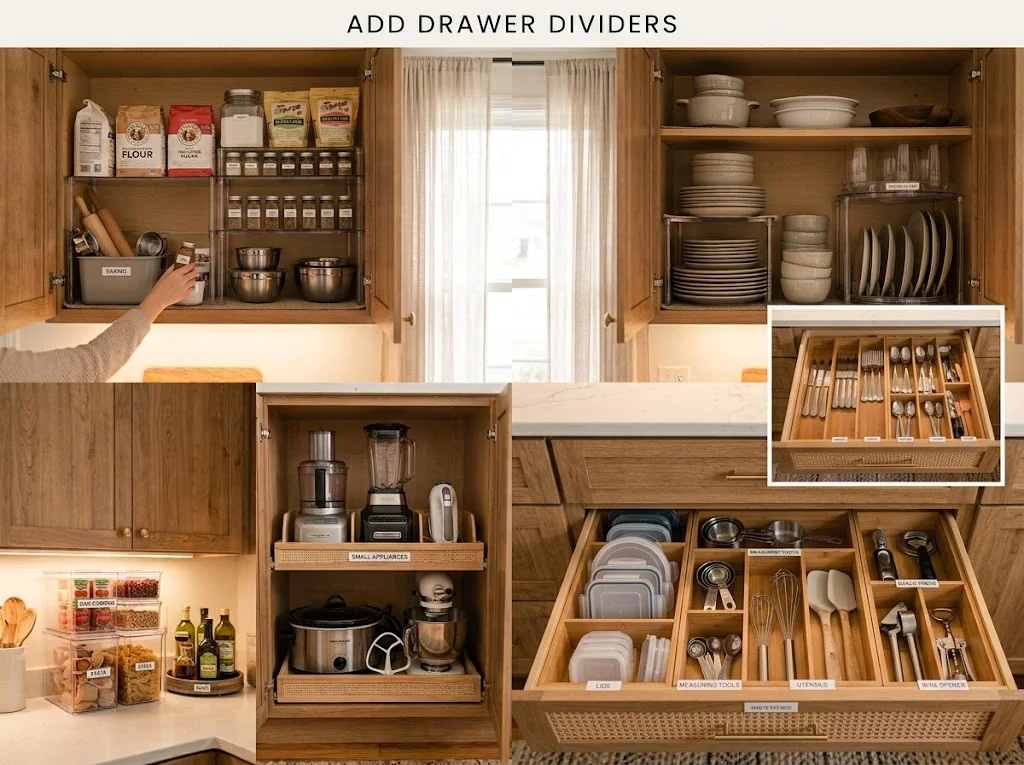
Drawer dividers instantly transform a chaotic drawer into a functional one, and they work in nearly every room of the house. In the kitchen, they separate utensils; in the bedroom, they organize socks, underwear, and accessories; in the bathroom, they keep makeup and grooming tools in place. Expandable or adjustable dividers are especially useful since they can be resized as your storage needs change. This idea is great for controlling small-item clutter that tends to slide around and get mixed up. To keep drawers tidy, do a quick reset every week, returning anything that has drifted out of its section.
5. Create a Pantry Organization System
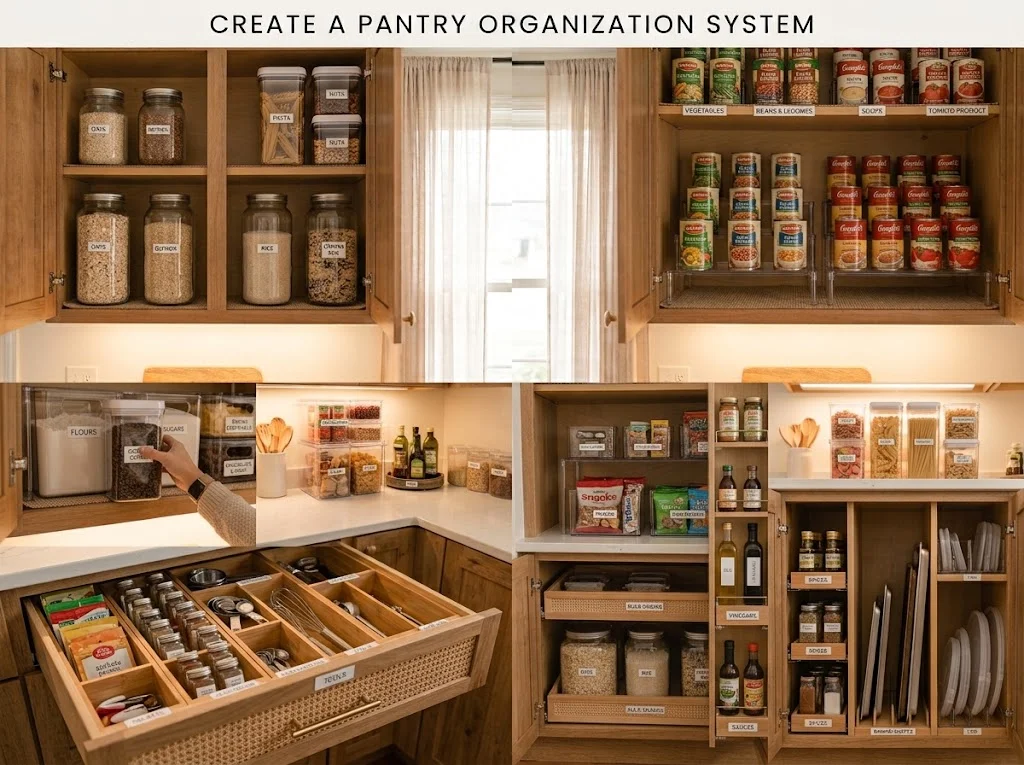
A well-organized pantry makes meal planning easier and prevents forgotten food from going to waste. Pantry organization works best when you group items by type, such as grains, canned goods, snacks, and baking essentials. Clear bins, stackable containers, and labeled shelves make a huge visual difference and help you see what you have at a glance. This system is especially helpful for controlling food clutter and reducing duplicate grocery purchases. For long-term success, do a quick pantry check before each grocery trip so you’re only restocking what’s actually needed.
6. Use Vertical Wall Storage
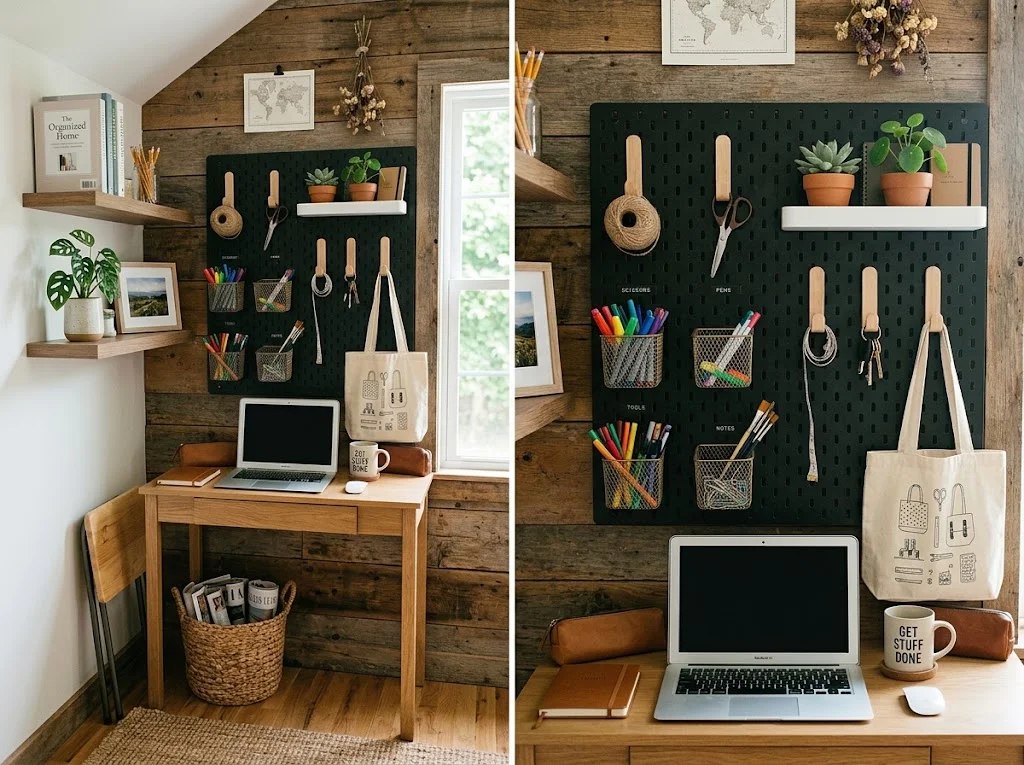
When floor and counter space is limited, vertical wall storage is one of the smartest small space organization ideas available. Wall-mounted shelves, pegboards, and hanging organizers work beautifully in kitchens, home offices, craft rooms, and garages. This idea is ideal for controlling clutter caused by tools, cookware, or office supplies that would otherwise pile up on counters. A pegboard in the kitchen or workspace can hold everything from pots to scissors while doubling as a decorative feature. To maintain it, assign each hook or shelf a specific item so the wall doesn’t become disorganized over time.
7. Organize Under the Kitchen Sink
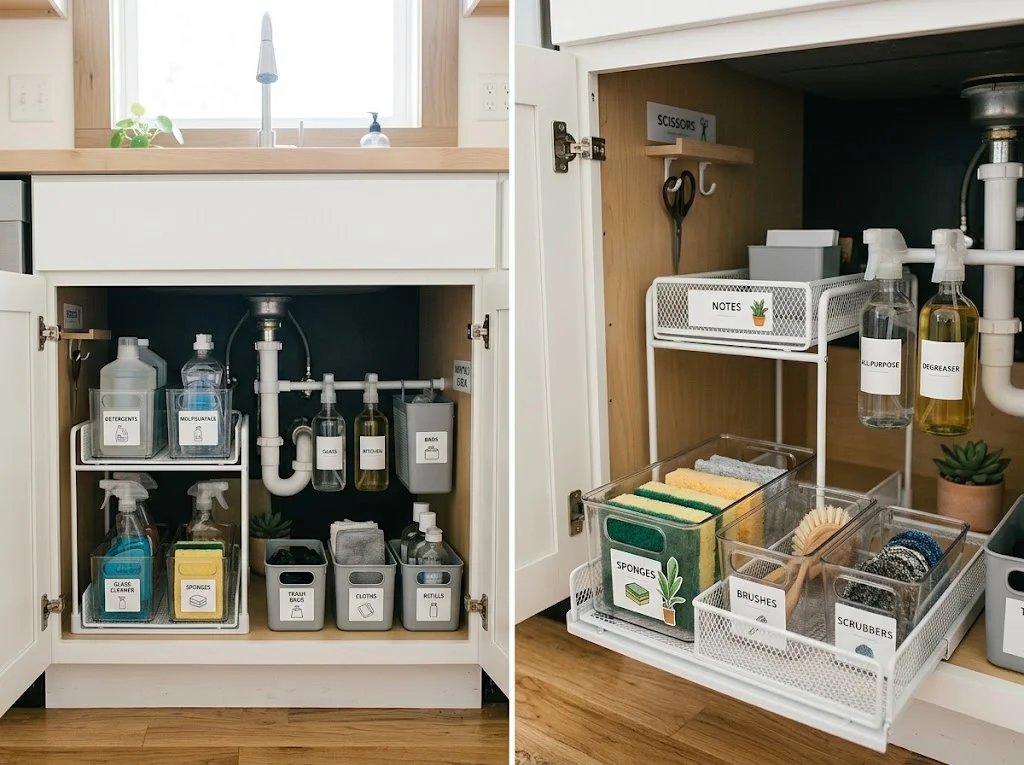
The area under the kitchen sink often becomes a jumbled mess of cleaning supplies, extra sponges, and trash bags. A simple fix is to add a slide-out organizer, tension rod, or small bins to separate items by use. This spot benefits from clear labeling since many cleaning products look similar. This idea helps control clutter caused by bottles and supplies that tend to tip over or get lost behind the pipes. To keep it tidy, do a quick check every month and toss anything expired or empty.
8. Give Every Frequently Used Item a Home
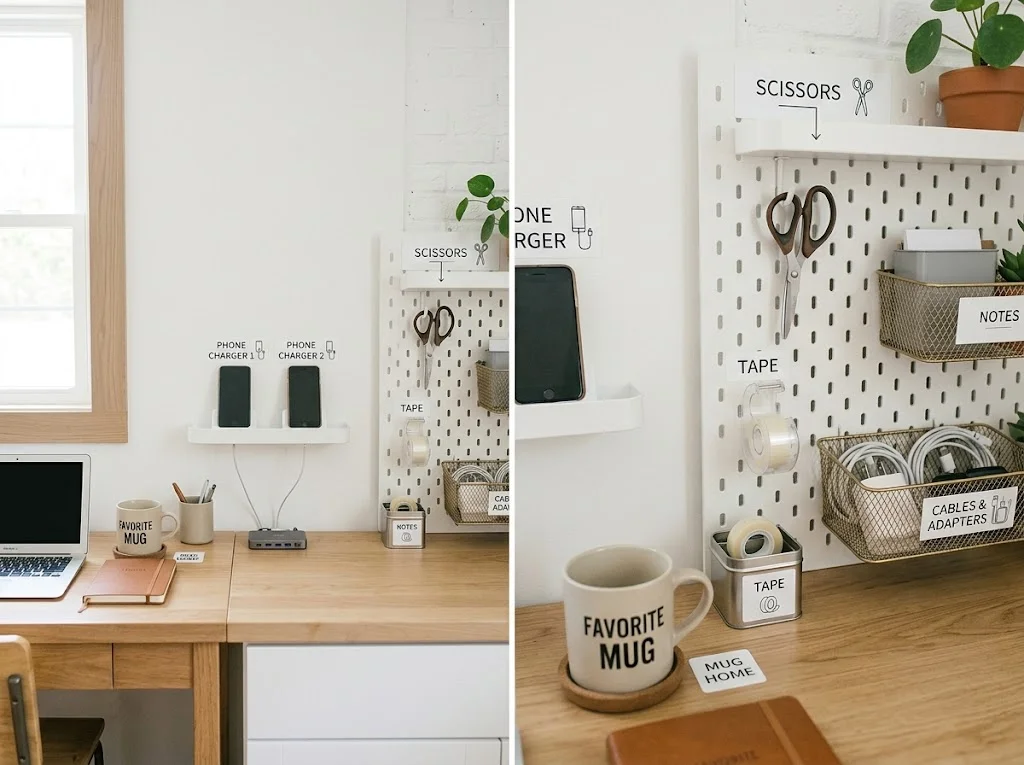
One of the most overlooked home organizing tips is simply making sure every commonly used item has a specific, consistent place to live. This applies to things like scissors, tape, phone chargers, or your favorite mug. When items don’t have a home, they tend to pile up wherever they were last used. This idea works in every room and is especially helpful for reducing the small, everyday clutter that accumulates fastest. The key to making it stick is consistency — always return the item to its spot, even when you’re in a hurry.
9. Use Clear Storage Containers
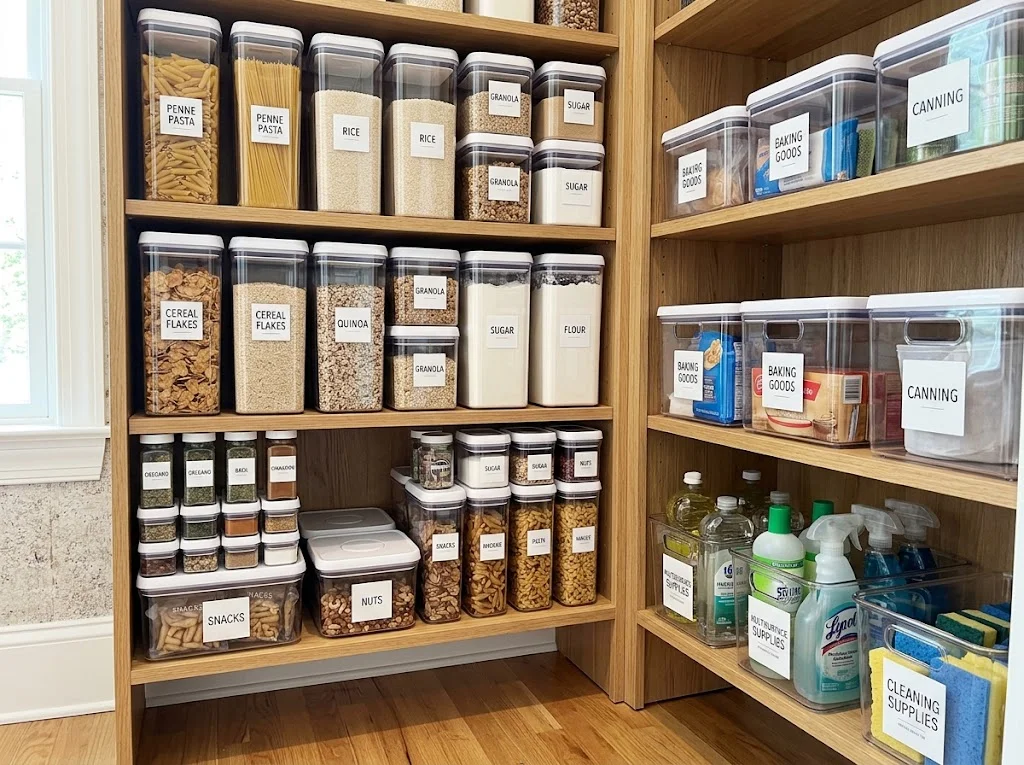
Clear containers are a favorite among home organization ideas because they make it easy to see exactly what’s inside without opening every box. They work well in pantries, closets, under sinks, and in the garage. Use them for pasta, cereal, cleaning supplies, craft materials, or seasonal decorations. This solution is particularly helpful for reducing clutter caused by forgotten items hidden inside opaque bins or bags. To keep the system effective, add labels to each container so you don’t have to guess what’s inside, even when the contents are visible.
10. Create a Dedicated Charging Station
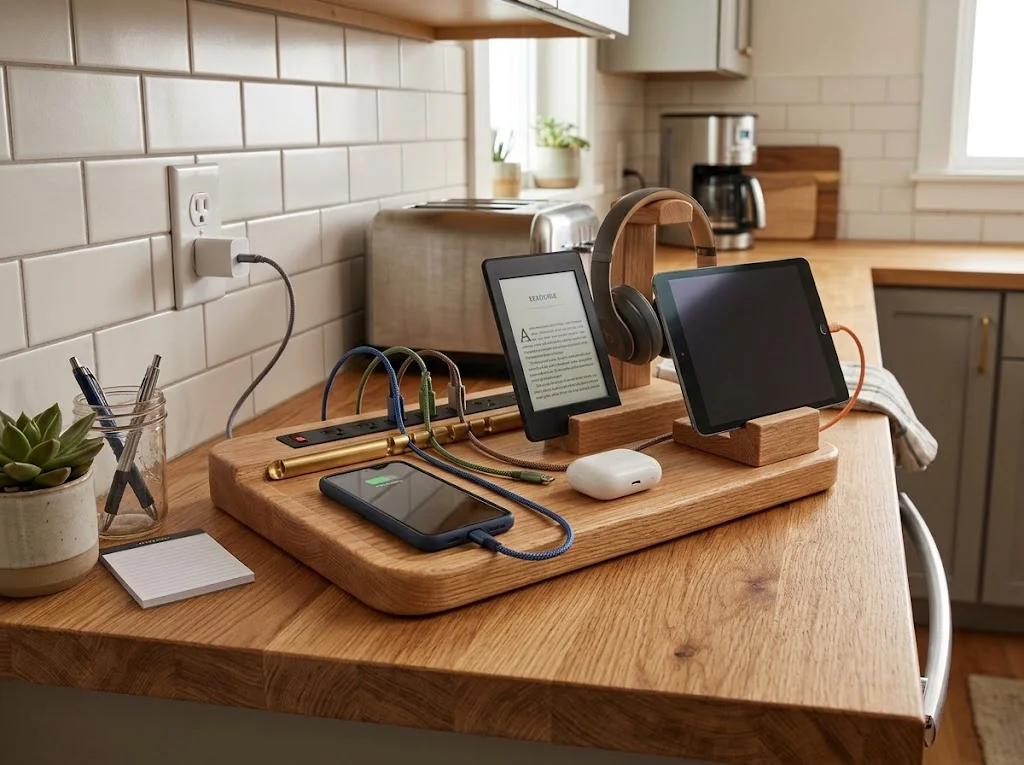
With so many devices needing to be charged daily, a dedicated charging station keeps cords and electronics from taking over your kitchen counter or nightstand. Set up a small tray or drawer with a power strip, and use cord clips or a charging box to keep cables tidy. This idea works well in a kitchen, entryway, or home office. It’s especially useful for controlling the tangled-cord clutter that builds up around outlets. To maintain it, keep only the chargers you use regularly in the station and store extras elsewhere.
11. Organize the Linen Closet
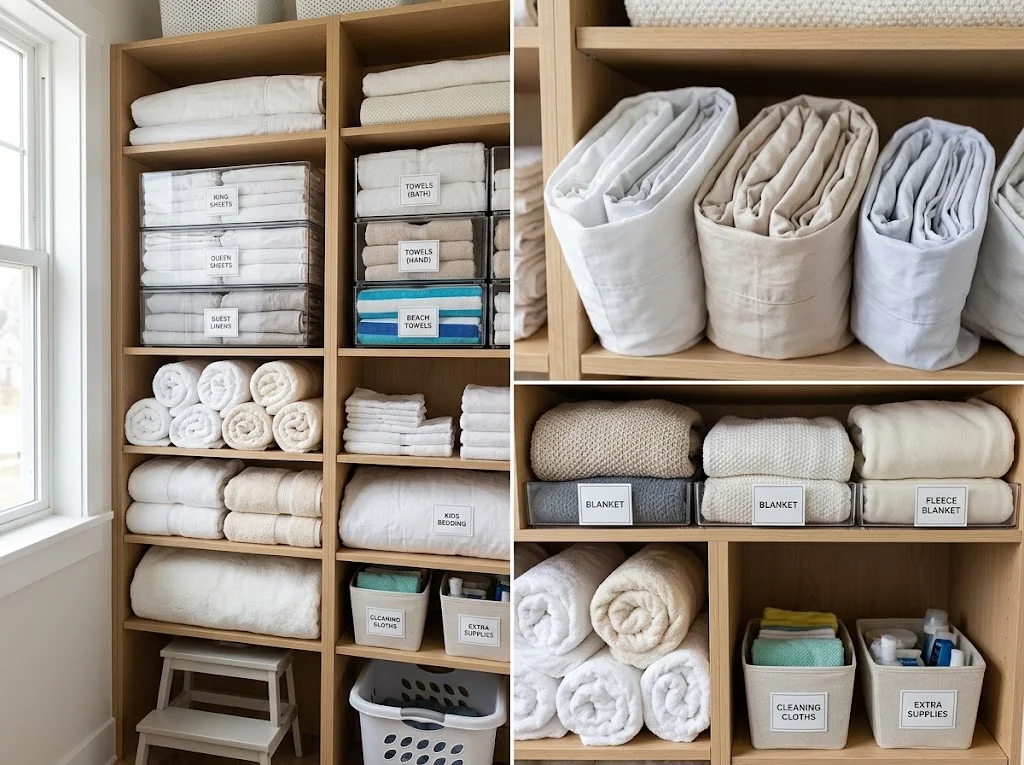
A linen closet can quickly become disorganized when towels, sheets, and extra blankets are stacked without any system. Fold linens using the same method every time, and separate sets by size or by room. Bins or labeled shelves make it easy to grab exactly what you need without pulling everything out. This idea helps control bulky fabric clutter that’s hard to store neatly otherwise. A helpful long-term tip is to store sheet sets inside one of their own matching pillowcases, so sets stay together and are easy to find.
12. Use Bins in the Bathroom
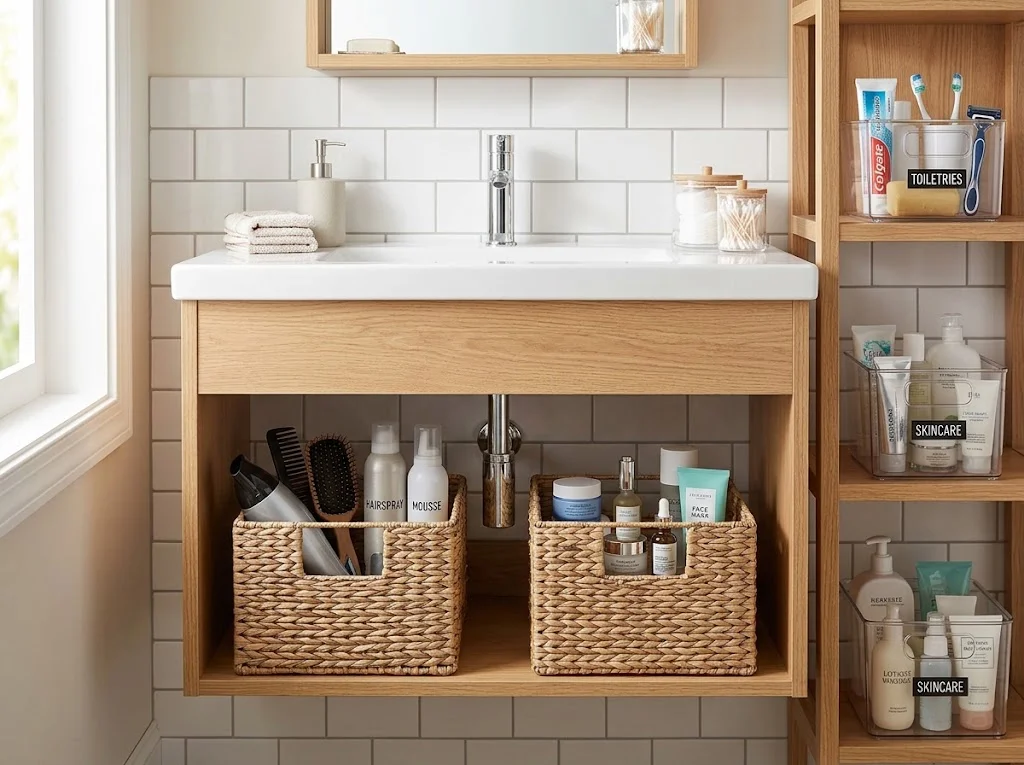
Bathroom organization often comes down to managing small items that multiply quickly, like hair products, skincare, and toiletries. Bins placed under the sink, on shelves, or inside cabinets create defined zones for each category. Use one bin for hair tools, another for skincare, and another for extra toiletries. This idea is especially helpful for small bathrooms where counter space is limited. To keep the system working, do a quick declutter every few months and remove products that are empty, expired, or no longer used.
13. Organize Your Closet by Category
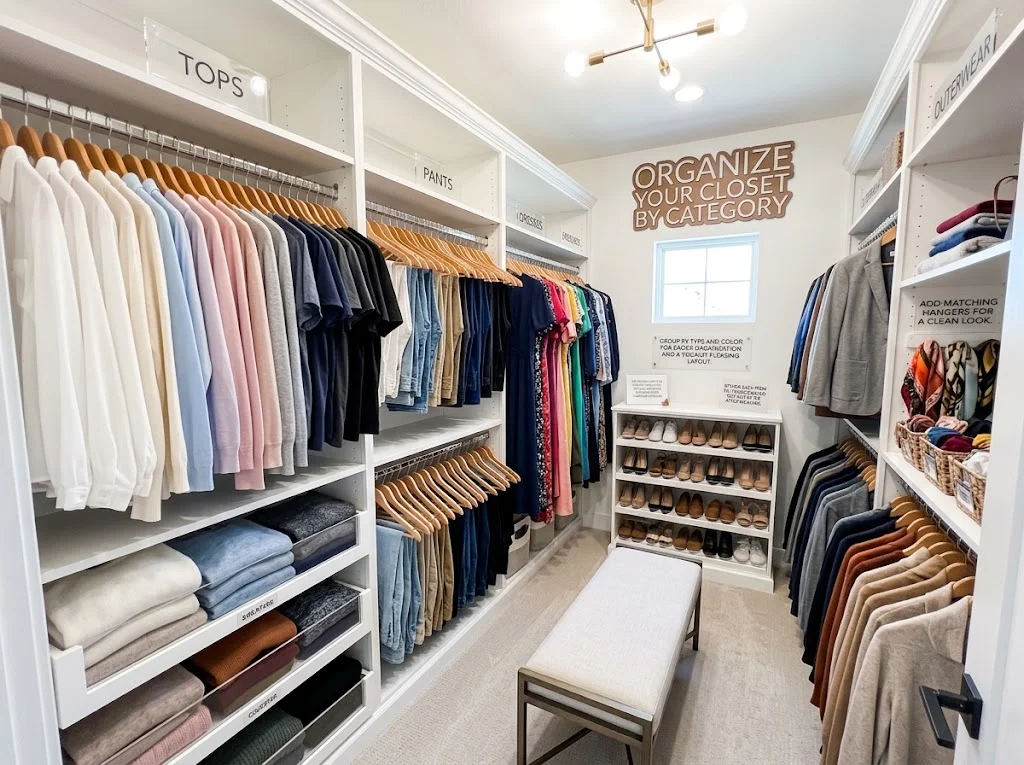
Closet organization becomes far more manageable when clothing is grouped by type and color rather than however it was last hung. Separate items into categories like tops, pants, dresses, and outerwear, then arrange by color within each group for an easy, visually pleasing layout. Add matching hangers for a cleaner overall look. This approach is ideal for controlling the clutter that builds up when clothes are stuffed in without a system. To keep it organized, return each item to its designated section immediately after wearing or washing it.
14. Use Under-Bed Storage
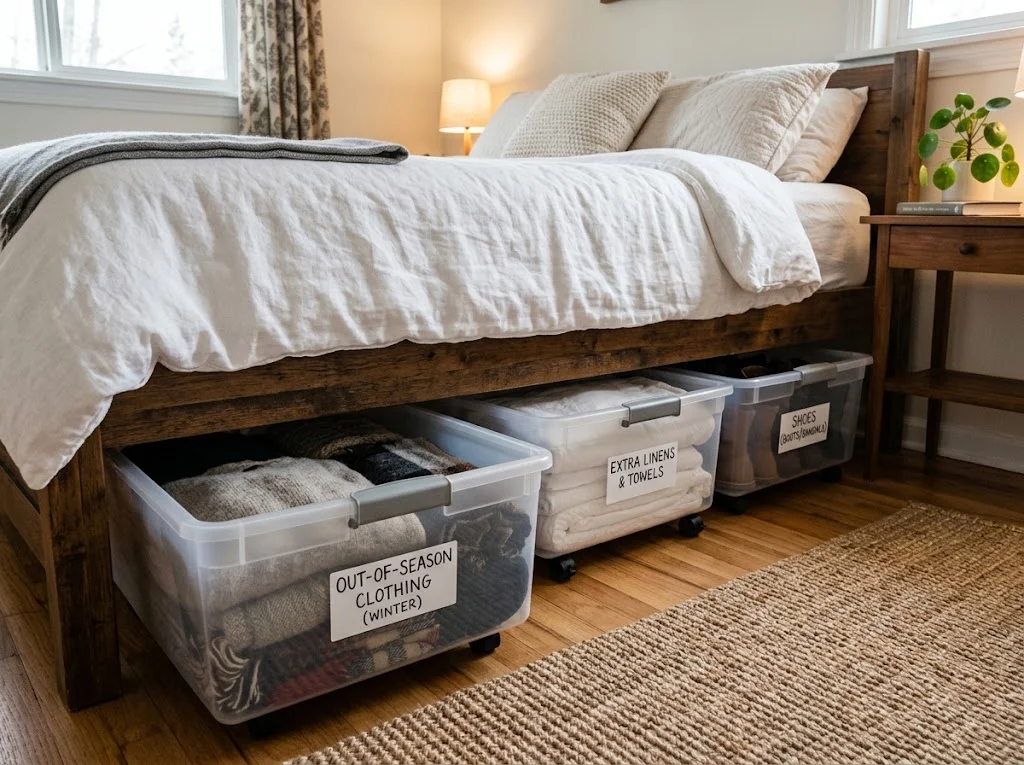
The space under your bed is often wasted, but it’s ideal for storing out-of-season clothing, extra linens, or shoes. Use flat storage bins or rolling drawers designed specifically for under-bed use to keep everything contained and dust-free. This idea works especially well in small bedrooms or apartments where closet space is limited. It helps control clutter from bulky items that don’t have another obvious home. To maintain the system, label each bin clearly so you don’t have to pull everything out just to find one item.
15. Create a Laundry Room Storage System
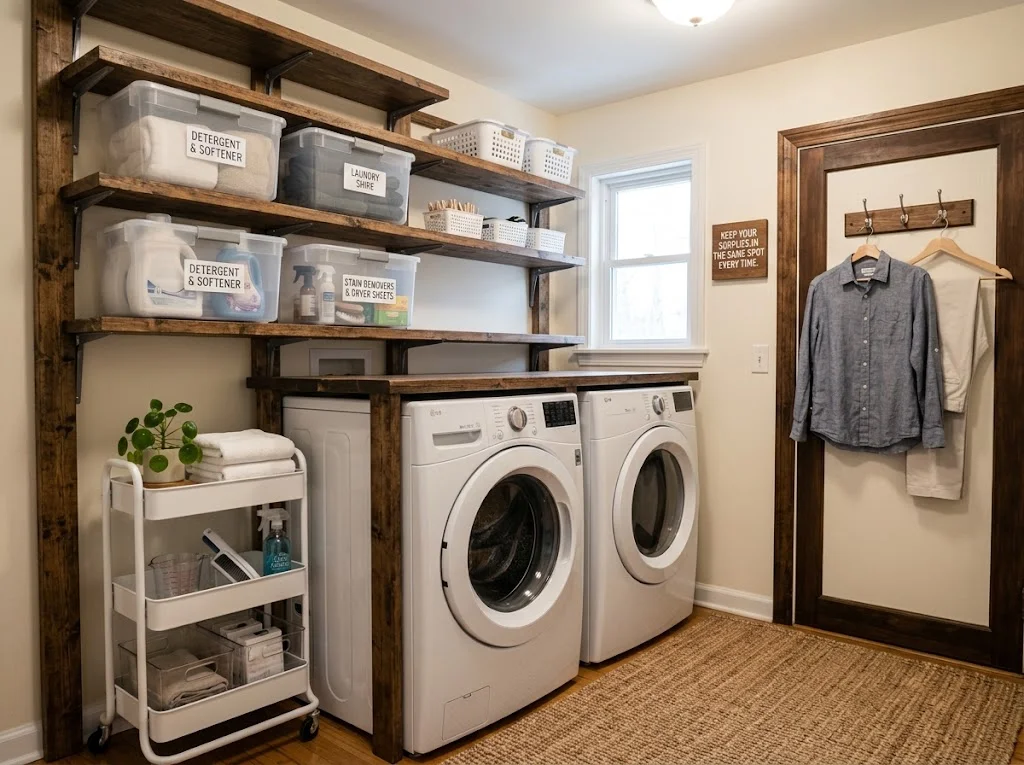
A laundry room stays functional when detergents, supplies, and accessories all have a defined spot. Use shelving above the machines, a rolling cart for supplies, and labeled bins for items like dryer sheets or stain removers. Hooks near the door are useful for hanging clothes fresh out of the dryer. This idea helps control the clutter of bottles and tools that tend to pile up on top of the washer or dryer. To keep it organized long-term, restock supplies in the same spot every time rather than setting new items wherever there’s space.
16. Add Labels to Storage Containers
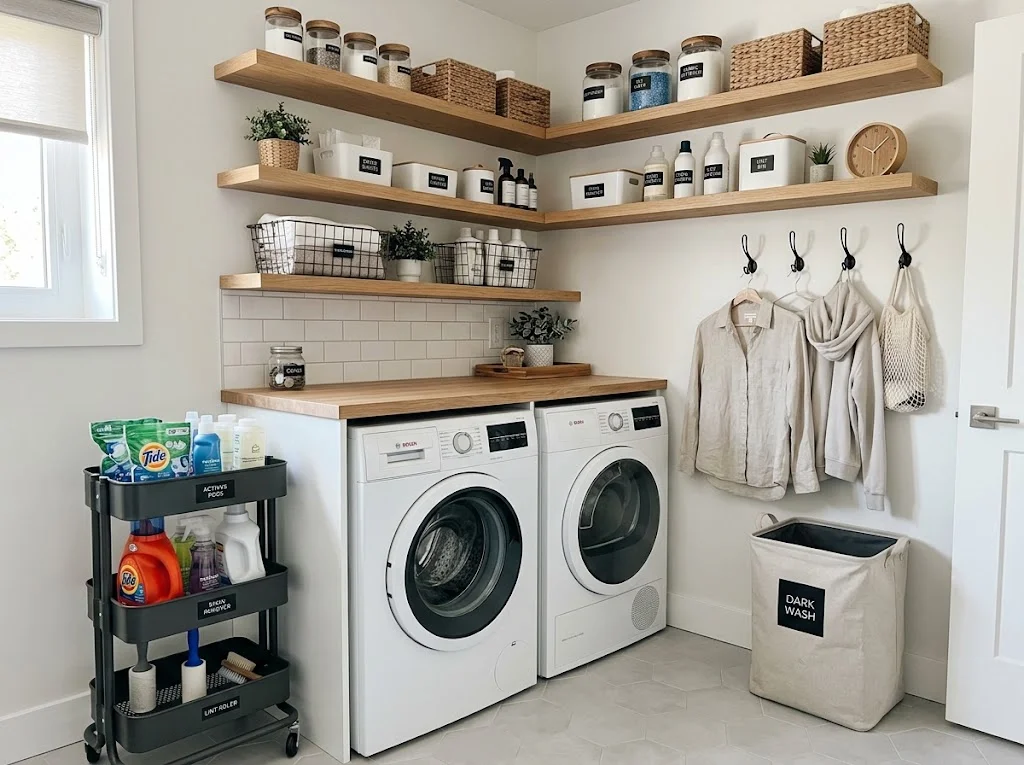
Labels might be a small detail, but they make a significant difference in keeping any organization system running smoothly. Once containers, bins, and baskets are labeled, everyone in the household knows exactly where things belong, which makes it easier to put items back correctly. This works in every room, from the pantry to the garage to kids’ closets. Labels are especially useful for reducing clutter that happens when items get misplaced simply because their spot wasn’t clear. For best results, use a consistent label style throughout the home so the system feels cohesive rather than random.
17. Organize Children’s Toys by Type
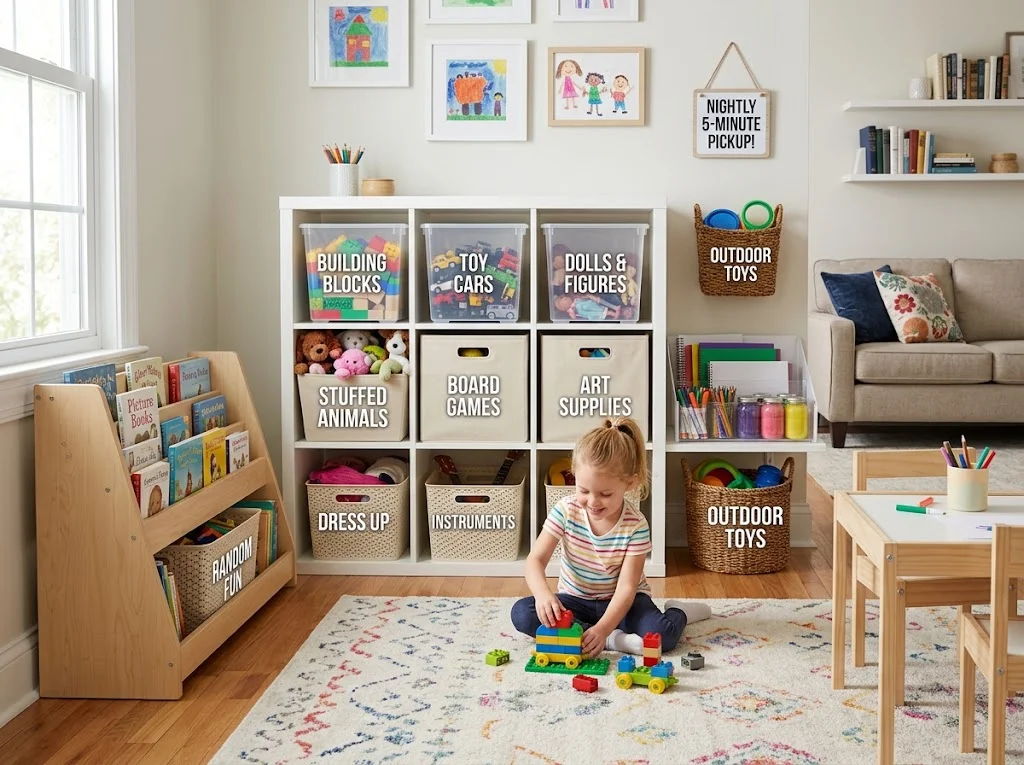
Toy clutter can take over a living room fast, but sorting toys into categories makes cleanup much simpler for both kids and parents. Use labeled bins for building blocks, another for stuffed animals, and another for art supplies. Low shelving or cube storage works well since it allows kids to reach and return toys on their own. This idea is especially helpful for playrooms, bedrooms, or shared living spaces. A great long-term habit is a nightly five-minute toy pickup, which prevents clutter from building up day after day.
18. Create a Home Office Paper Station
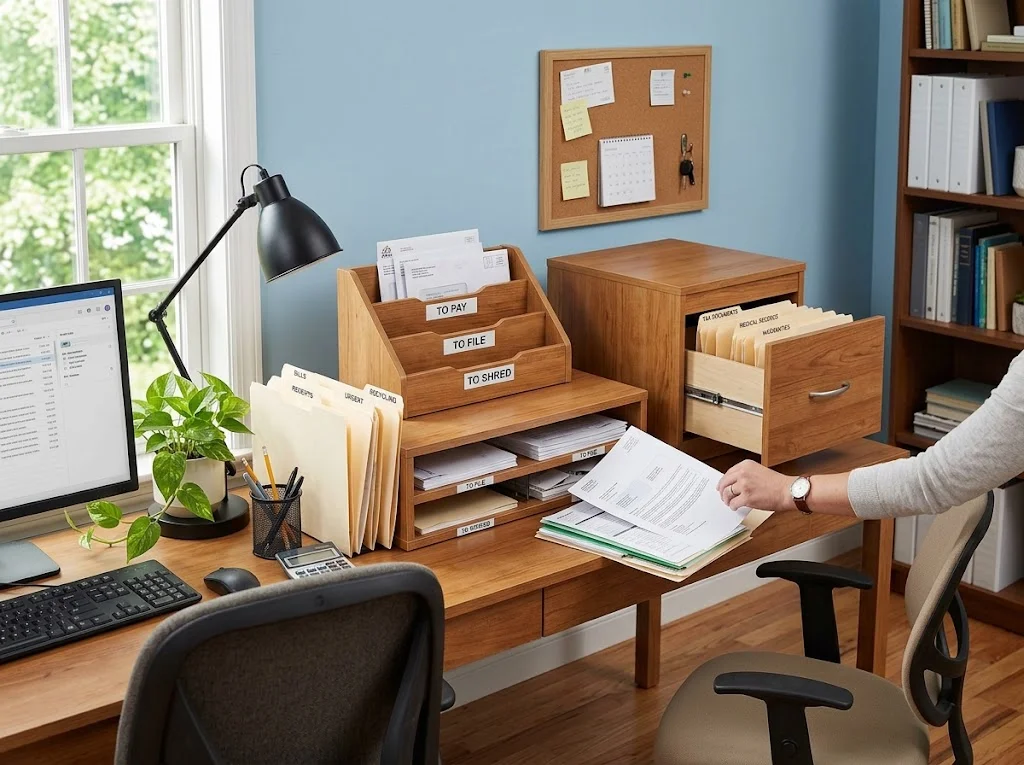
Paper clutter is one of the most common culprits in a disorganized home office. A dedicated paper station with labeled folders or trays for categories like “to pay,” “to file,” and “to shred” keeps documents from piling up on the desk. A small filing cabinet or accordion folder works well for long-term storage of important papers. This idea is especially useful for anyone who works from home or manages household paperwork regularly. To maintain the system, sort incoming papers immediately rather than letting them stack up to deal with later.
19. Use Hooks to Maximize Wall Space
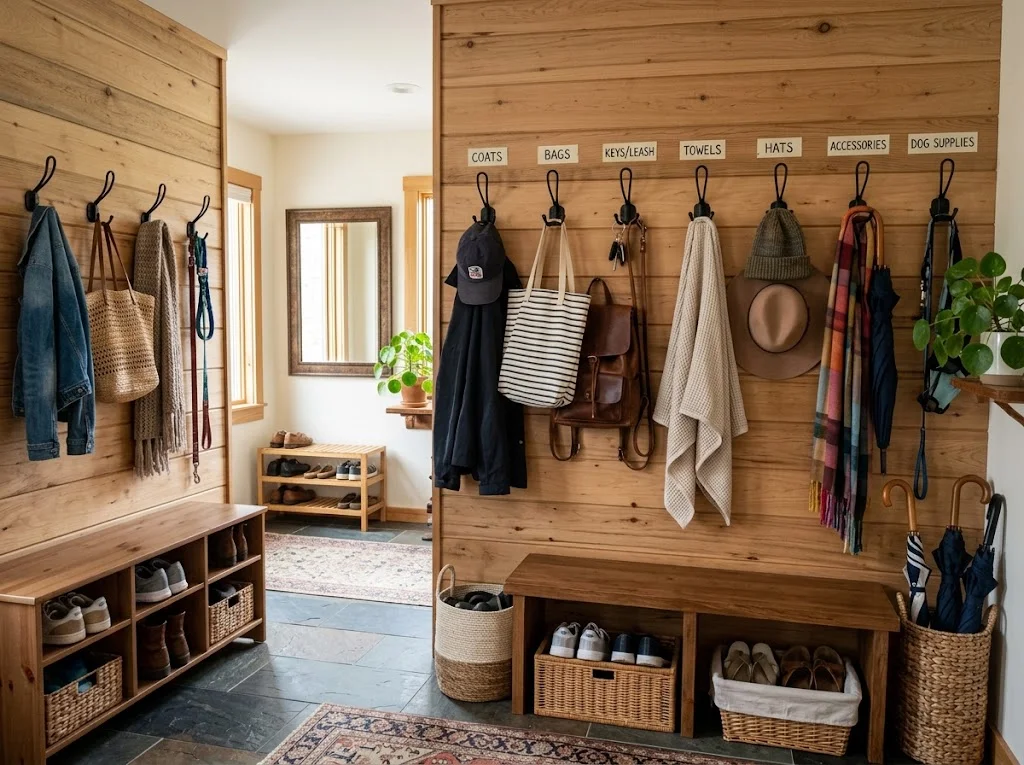
Hooks are a simple, budget-friendly way to organize items that don’t fit neatly into drawers or bins. Use them in entryways for coats and bags, in bathrooms for towels, in closets for accessories, or in garages for tools. This idea is especially helpful for controlling clutter caused by bulky items that would otherwise be tossed over chairs or door handles. A row of matching hooks also adds a clean, decorative look to any wall. To keep the system effective, avoid overloading hooks with too many items, which can quickly make the area look messy again.
20. Create a Mail and Paperwork Station
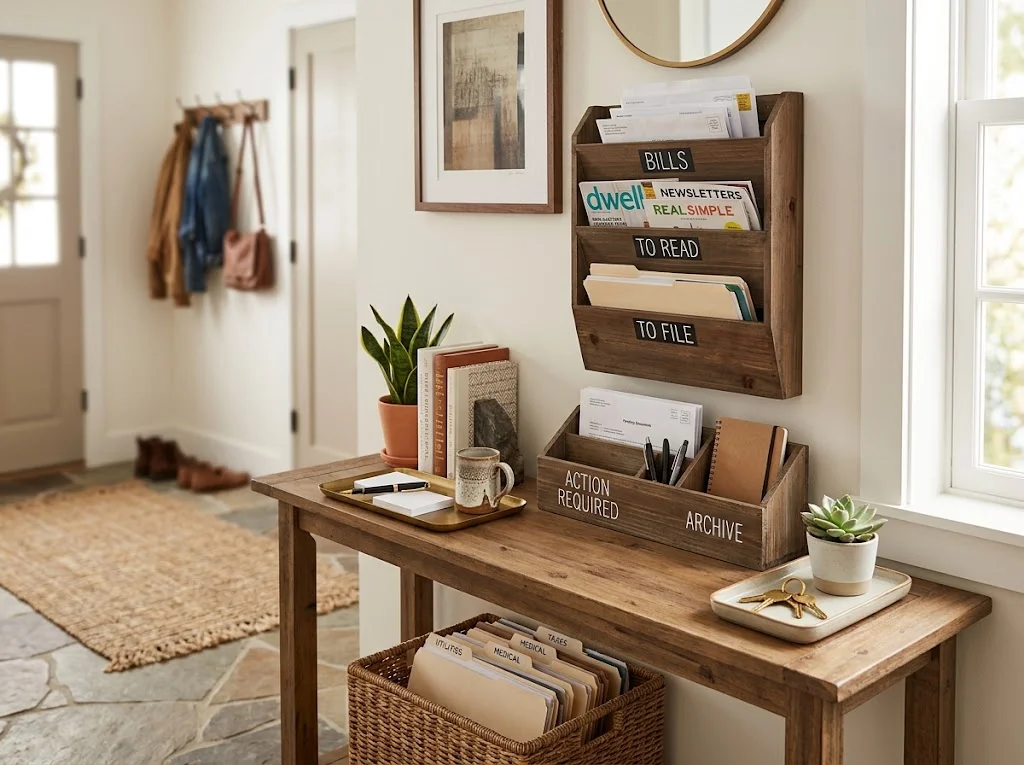
Incoming mail can pile up on kitchen counters faster than almost anything else in the house. A mail station with a small sorter, tray, or wall-mounted organizer gives every piece of paper a temporary home until it’s dealt with. Separate sections for bills, items to read, and things to file work well for most households. This idea is particularly effective for controlling paper clutter in the kitchen or entryway. To maintain it, go through the mail station at least once a week so papers don’t accumulate.
21. Organize Cleaning Supplies
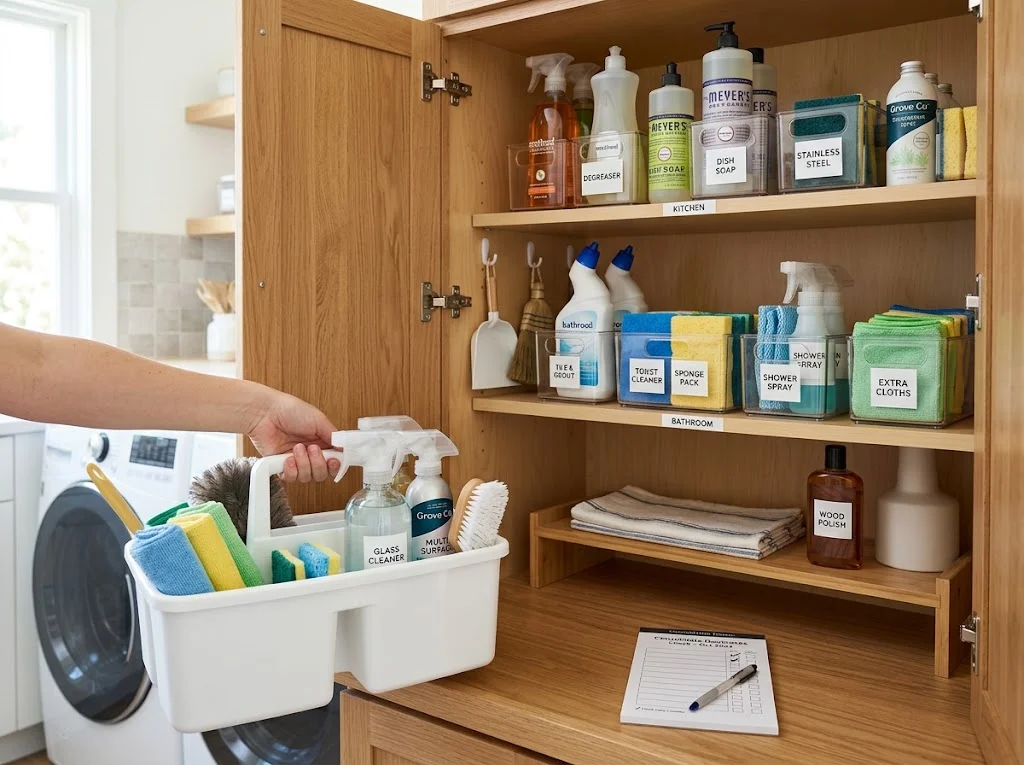
Cleaning supplies are easier to manage when they’re grouped by purpose rather than scattered across different cabinets. Keep bathroom cleaners together, kitchen supplies together, and general tools like dusters and cloths in a separate caddy. A portable cleaning caddy is especially useful since it lets you carry everything needed from room to room. This idea helps control clutter caused by half-used bottles and duplicate products. To keep the system running smoothly, do a quick supply check every few months and consolidate any duplicates.
22. Use Multi-Purpose Furniture With Storage
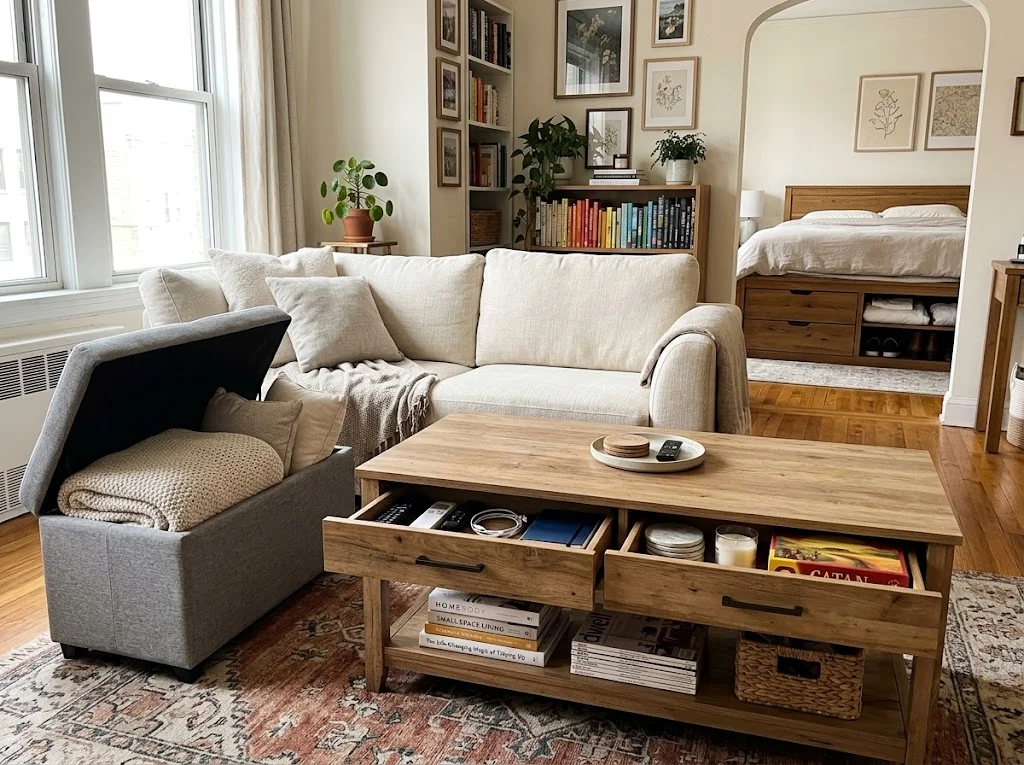
Furniture that doubles as storage is one of the most practical home storage ideas for smaller homes or apartments. Ottomans with hidden storage, storage beds, and coffee tables with shelves or drawers all add functional space without taking up extra room. This idea works especially well in living rooms and bedrooms where storage is limited. It helps control clutter from blankets, remotes, books, and other everyday items that need a home but not necessarily a dedicated piece of furniture. To keep it organized, treat these hidden spaces with the same care as any other storage area rather than using them as a dumping ground.
23. Create a Seasonal Storage System
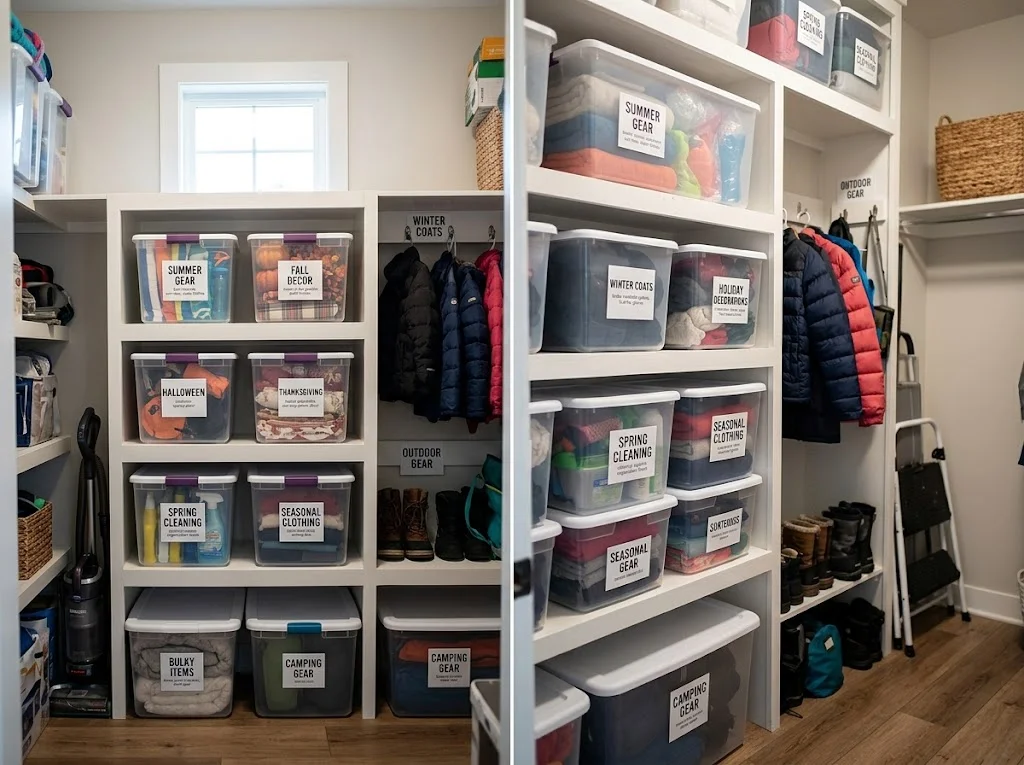
Seasonal items like holiday decorations, winter coats, or summer gear can take up valuable space year-round if they aren’t stored efficiently. Use labeled bins stored in a closet, attic, basement, or garage, and rotate items in and out as the seasons change. This idea is especially helpful for controlling bulky, occasional-use clutter that doesn’t need to be accessible every day. Clear bins make it easy to identify contents at a glance. A helpful long-term habit is to store items back exactly where they came from as soon as the season ends.
24. Declutter One Small Area at a Time
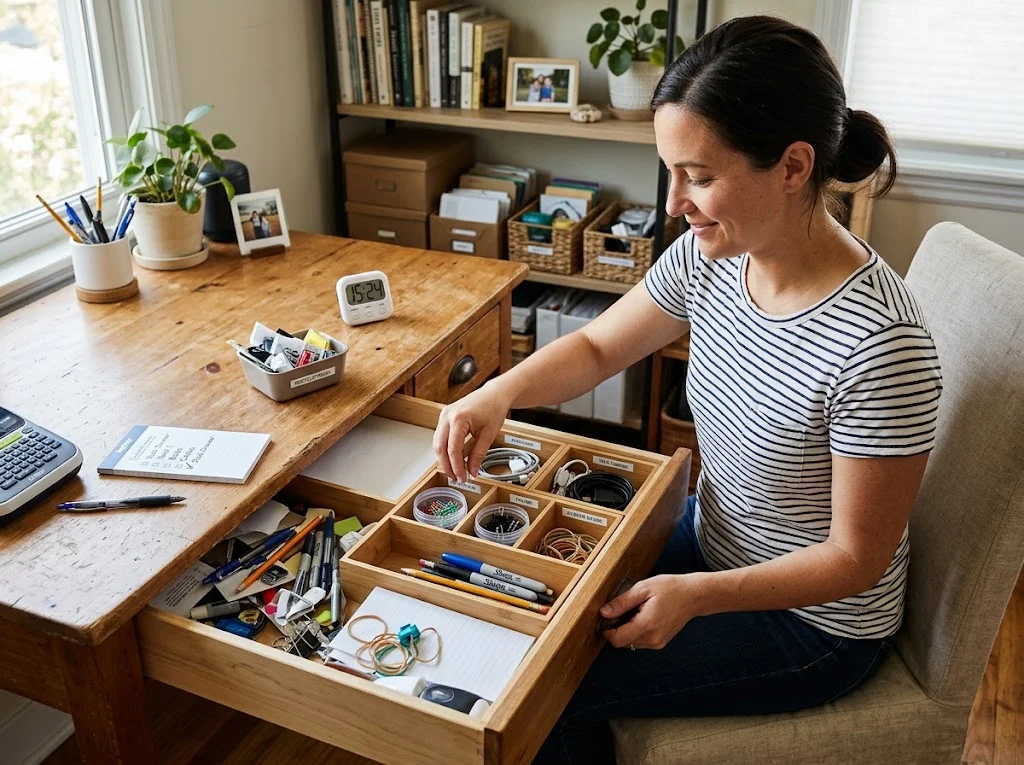
Rather than trying to organize your entire home in one overwhelming weekend, focus on one small area at a time — a single drawer, shelf, or closet. This approach makes decluttering feel manageable and helps you actually finish what you start. It works well for any space in the home and is especially helpful for people who feel overwhelmed by larger organization projects. Breaking the process down reduces clutter gradually but consistently. To keep momentum going, set aside just 15–20 minutes a few times a week rather than waiting for a large block of free time.
25. Maintain a Simple Daily Reset Routine
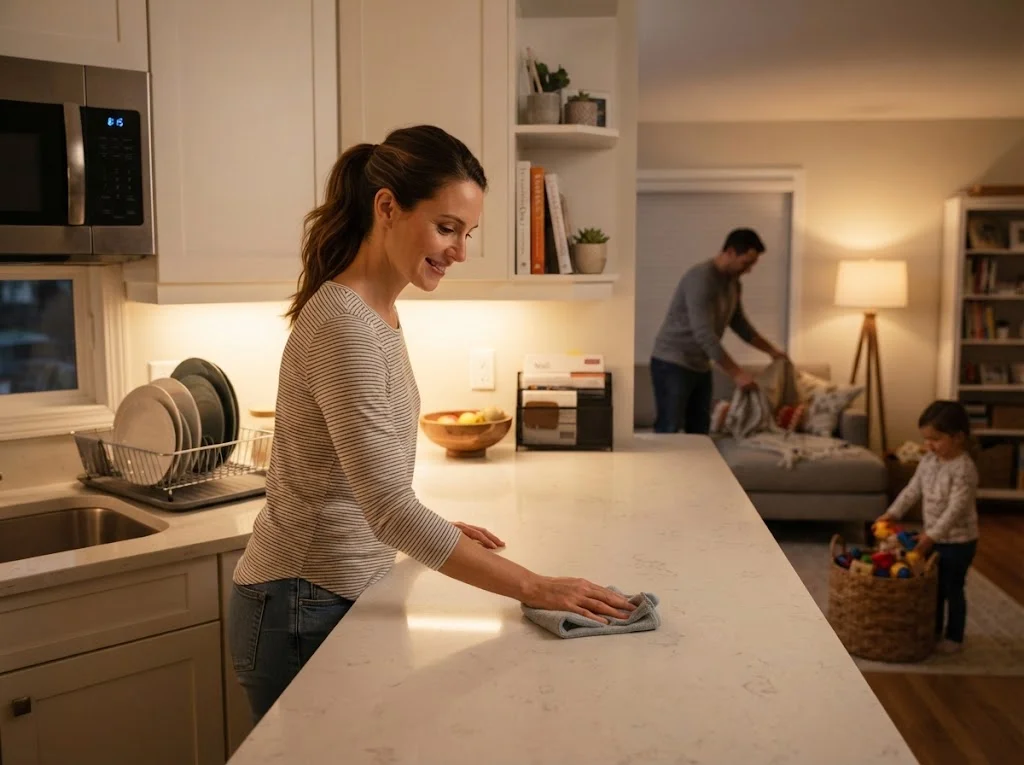
A daily reset routine is one of the most effective home organizing tips because it prevents clutter from building up in the first place. Spend 10–15 minutes each evening returning items to their designated spots, wiping down counters, and doing a quick tidy of common areas. This works in every home, regardless of size, and helps control the small, everyday clutter that accumulates from daily living. Unlike a big declutter, this habit is about upkeep rather than deep cleaning. To make it stick, try doing it at the same time each day, such as right after dinner, so it becomes an automatic part of your routine.
How to Keep Your Home Clutter-Free
Organizing your home is only half the equation — maintaining that organization is what actually keeps your home clutter-free long-term. Here are some realistic habits worth building into your routine:
- Do a daily 10-minute reset. A short nightly tidy-up prevents small messes from turning into big ones.
- Put items back after use. This single habit prevents most everyday clutter before it starts.
- Declutter regularly. Set a reminder every few months to go through closets, drawers, and shelves.
- Avoid unnecessary purchases. Before buying something new, consider whether you already own something similar.
- Use labeled storage. Labels make it easy for everyone in the household to know where things belong.
- Follow the one-in, one-out rule. When something new comes into the home, let something old go.
- Keep frequently used items accessible. Store daily-use items within easy reach so they’re simple to put away.
- Do a weekly organization check. Spend 10–15 minutes each week resetting problem areas like entryways or countertops.
- Involve the whole household. Organization systems work best when everyone understands and follows them.
Best Storage Solutions for a Clutter-Free Home
Choosing the right storage solutions makes organization easier to maintain. Here’s where each option works best:
- Baskets – Great for soft items like blankets, towels, and toys in living rooms and bedrooms.
- Storage bins – Ideal for closets, garages, and under-bed storage, especially for seasonal items.
- Drawer organizers – Perfect for kitchens, bathrooms, and bedroom dressers to separate small items.
- Shelving – Useful in pantries, closets, and home offices for maximizing vertical space.
- Hooks – Best for entryways, bathrooms, and closets to hold coats, towels, and bags.
- Clear containers – Excellent for pantries and bathrooms where visibility helps you find items quickly.
- Labels – Helpful on nearly any container to keep the whole household on the same system.
- Under-bed storage – A smart option for small bedrooms with limited closet space.
- Multi-purpose furniture – Ideal for living rooms and bedrooms that need hidden, functional storage.
Simple Decluttering Checklist
Use this checklist to work through your home room by room:
- Clothes – Remove anything that no longer fits or hasn’t been worn in over a year.
- Shoes – Keep only pairs you actually wear; donate the rest.
- Kitchen items – Get rid of duplicate tools and gadgets you rarely use.
- Bathroom products – Toss anything expired or nearly empty.
- Papers – Shred or recycle documents you no longer need.
- Toys – Donate toys your kids have outgrown or no longer play with.
- Decorations – Keep only pieces that fit your current style or season.
- Electronics – Recycle old cords, chargers, and devices you no longer use.
- Cleaning supplies – Consolidate duplicate or half-used products.
Conclusion
A clutter-free home doesn’t happen overnight, and it doesn’t need to be perfect to feel calm and functional. The goal isn’t flawless organization — it’s building small, sustainable systems that make everyday life a little easier. Start with just one room, one drawer, or even one shelf, and build from there. Over time, these small changes add up to a home that feels more peaceful, more manageable, and genuinely easier to live in. Progress, not perfection, is what makes organization last.